
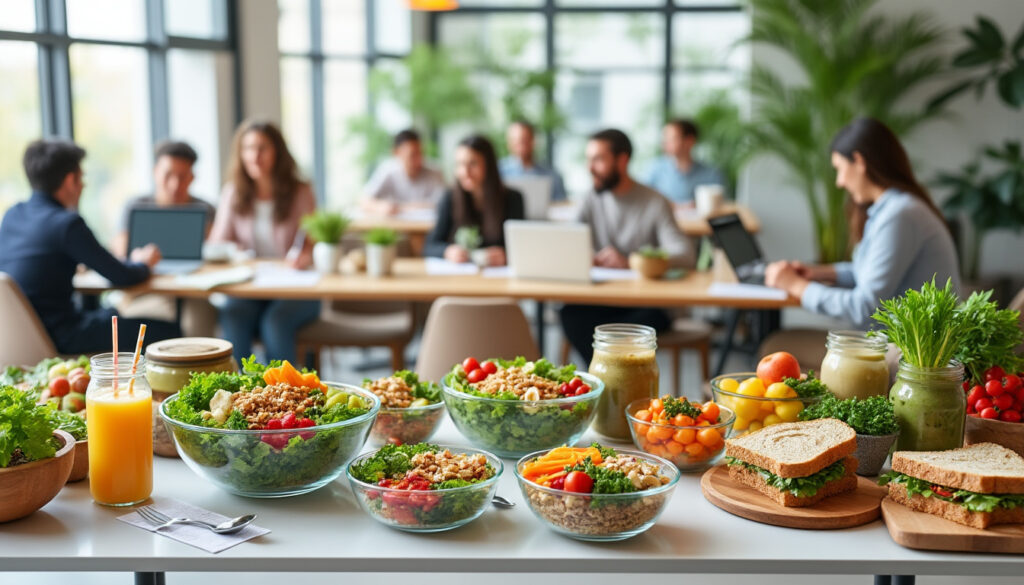

The contemporary professional landscape, characterized by hybrid work models and demanding schedules, has transformed the midday meal from a simple break into a strategic opportunity. Far too often, individuals find themselves caught between the convenience of unhealthy takeout and the monotony of repetitive packed lunches, leading to energy slumps and diminished focus. The challenge lies not just in finding something to eat, but in discovering fresh, flexible meal ideas that truly nourish both body and mind, adapting effortlessly to whether one is at an office desk or a home workstation. Crafting a midday meal that is both delicious and efficient can seem like an insurmountable task amidst a packed workday. Yet, with a methodical approach to planning and a repertoire of versatile recipes, transforming this daily obligation into a moment of revitalization is entirely achievable. This guide aims to navigate the culinary complexities of 2026’s evolving work environments, offering practical solutions that ensure sustained energy and enhanced productivity throughout the busiest of weeks.
Fueling Your Focus: The Strategic Approach to Workday Meals
The demands of modern work extend beyond deadlines and meetings; they require sustained mental acuity and physical stamina. Neglecting the midday meal or opting for quick, nutrient-poor choices can derail an otherwise productive afternoon. Instead of viewing lunch as a mere interruption, consider it a vital component of your daily strategy for success. The right fuel can prevent the dreaded mid-afternoon energy crash, sharpen concentration, and even improve mood, making you more resilient against workplace stressors that are increasingly common.
In 2026, where work environments are more fluid than ever, understanding how nutrition supports cognitive function is paramount. A well-balanced lunch provides the steady glucose release needed for brain power, coupled with proteins that aid in satiety and muscle maintenance. This strategic approach ensures that every meal contributes positively to your overall well-being and professional output, allowing you to sustain high levels of performance from morning till evening, regardless of your work setting.
Optimizing Nutrition for Peak Productivity
Achieving peak productivity hinges significantly on the quality of your diet, particularly at lunchtime. Meals should be designed to offer a balanced intake of macronutrients: complex carbohydrates for sustained energy, lean proteins for satiety and muscle repair, and healthy fats to support brain function. Avoiding meals high in refined sugars or excessive unhealthy fats can prevent the “gut bomb” sensation and the subsequent sugar crash that often occurs an hour or two after eating.
For example, a lunch rich in fiber from whole grains and vegetables, combined with a good source of protein like chicken or legumes, will stabilize blood sugar levels. This stable energy supply is crucial for maintaining focus during complex tasks and for powering through meetings without feeling sluggish. By prioritizing nutrient-dense foods, professionals can ensure their midday meal actively contributes to their mental clarity and physical endurance, rather than detracting from it.
No-Fuss Fuel: Cold Lunch Innovations for Busy Days
For many, access to a microwave is a luxury, or the thought of waiting in line to heat food is simply unappealing. This makes no-cook, cold lunches an invaluable asset in the modern work arsenal. These meals prioritize portability and freshness, ensuring they taste as good straight from the fridge as they did when packed, bypassing any potential office kitchen bottlenecks. They offer a simple elegance, allowing for a quick, satisfying break without any fuss.
The key to successful cold lunches lies in thoughtful ingredient selection and smart packing. Ingredients that maintain their texture and flavor over several hours are essential. Furthermore, compartmentalized containers can keep components separate until consumption, preventing sogginess and preserving the distinct qualities of each element, making the meal feel more composed and appealing. These options are particularly favored in 2026 for their adaptability to various impromptu work locations.
Creative Combinations for Grab-and-Go Meals
Transforming the classic “lunchable” concept into a sophisticated adult version offers a versatile and exciting cold lunch option. This involves arranging sliced lean turkey or chicken, cubes of cheese, whole-grain crackers, a dollop of hummus, and vibrant, crunchy vegetables like bell pepper strips and cucumber slices in a bento-style container. This approach provides a balanced array of textures and flavors, far more engaging than a traditional sandwich, and keeps everything fresh.
Wraps also stand out as an excellent choice, offering endless customization. An easy turkey avocado wrap, packed with lean protein, creamy avocado, spinach, and perhaps a touch of feta, delivers on both taste and nutritional value. For plant-based alternatives, loaded veggie hummus wraps can be crafted with a variety of colorful vegetables and a generous spread of hummus, ensuring a satisfying and fiber-rich meal that requires no reheating and is ready in minutes.
Mastering Meal Prep: Batch Cooking for Consistent Energy
The secret weapon for maintaining consistent energy and healthy eating throughout the workweek is undoubtedly meal preparation. Dedicating a focused 30 to 45 minutes on Sunday can set you up for success, providing pre-portioned, nutritious meals that are ready to grab and go. This practice eliminates decision fatigue during busy mornings and reduces the temptation to resort to less healthy, expensive last-minute options, ensuring a predictable and wholesome midday refuel.
Batch cooking not only saves time but also promotes dietary discipline, allowing for precise control over ingredients and portion sizes. The anticipation of a delicious, homemade meal can also serve as a positive anchor in the middle of a hectic workday, offering a moment of calm and nourishment. As work patterns continue to evolve, with less structured lunch breaks becoming common, having ready-to-eat meals becomes an indispensable strategy for maintaining well-being.
Streamlining Your Weekly Culinary Routine
Grain bowls represent a cornerstone of effective meal prepping, offering immense flexibility and nutritional completeness. Chicken burrito bowls, for instance, can be prepared in bulk with seasoned chicken, rice, beans, corn, and salsa, then assembled daily or stored in individual containers. These bowls are adaptable, allowing for customization with different proteins, grains like quinoa or farro, and a rotating selection of vegetables to prevent flavor fatigue throughout the week.
Similarly, pesto pasta with chicken or healthy fried rice (especially good with day-old rice) are robust options that reheat well and can be scaled up easily. Rotisserie chicken chopped salads, perhaps without lettuce mixed in until serving, stay fresh for days and provide a high-protein, low-fuss solution. Quinoa salads, such as a curry or black bean variety, are also ideal for meal prep, developing deeper flavors as they sit and offering a light yet satisfying crunch.
Power-Packed Plates: High-Protein Options to Beat the Slump
The phenomenon of the 2 PM energy slump is a common complaint in busy work environments, often directly attributable to insufficient protein intake at lunch. Protein is crucial for prolonged satiety, preventing hunger pangs and the associated cravings for sugary snacks. Integrating high-protein meals into your midday routine is a proactive step towards maintaining stable energy levels and sharp focus, ensuring that your afternoon hours are as productive as your morning.
Meals designed with a significant protein component can bridge the gap between lunch and dinner, eliminating the need for incessant snacking and supporting a more consistent energy curve. This focus on protein also aids in muscle maintenance, a subtle but important benefit for those leading more sedentary work lives. Prioritizing these options can fundamentally alter the rhythm of your workday, empowering you with sustained vitality.
Sustaining Focus with Savory Selections
Classic egg salad, when prepared efficiently, offers a quick and satisfying protein boost, perfect for serving on whole-grain toast or alongside crisp crackers. Its ease of preparation, especially if hard-boiled eggs are made in advance, makes it a go-to for those seeking a fulfilling meal without much effort. Another excellent option involves preparing shredded chicken, which can be used in tacos or as the base for flavorful BBQ sandwiches, providing versatility for several meals.
For a heartier choice, Italian beef sandwiches, slow-cooked to tender perfection, deliver robust flavor and ample protein. Even a simple tuna pasta salad, enhanced with peas and dill, offers a creamy, protein-rich solution that keeps well. These options are designed not only to delight the palate but also to fortify your body against the energy dips that can compromise afternoon productivity, ensuring you remain engaged and alert.
Warm Comfort: Microwavable Meals and Hearty Soups
On days when a microwave is accessible, the comforting embrace of a warm lunch can significantly enhance the midday break. Soups and hearty bowls offer a sense of warmth and satiety that cold lunches sometimes cannot, making them particularly appealing during cooler months or when seeking a more traditional meal experience. These options often pack a nutritional punch, providing hydration and a generous serving of vegetables and legumes.
The key to successful warm lunches for work lies in robust, leak-proof containers that can withstand transport and reheating. Proper planning ensures that these meals are not only convenient but also retain their appeal after being warmed. Choosing recipes that improve with time, allowing flavors to meld, ensures that your microwaved lunch is as enjoyable as one prepared fresh.
Nourishing Bowls for Chilly Days
Chilis, in their myriad forms, are exemplary candidates for comforting work lunches. A hearty vegetarian chili, packed with beans and various vegetables, provides fiber and protein, making it incredibly filling. For those who prefer meat, a great beef chili recipe offers a robust, savory experience. Both black bean chili and red lentil soup stand out as quick and easy options, often coming together in under 30 minutes for a fresh batch or reheating perfectly from a prepped portion.
Red curry lentil soup, with its aromatic spices and creamy coconut milk, offers an exotic twist to the traditional lentil. Even a classic minestrone soup, brimming with pasta, vegetables, and beans, provides a wholesome and familiar comfort. These selections promise not just warmth and flavor but also sustained energy, allowing professionals to return to their tasks feeling rejuvenated and satisfied, making a cold, dreary day a little brighter.
Beyond the Basics: Creative Twists and Flexible Formats
Preventing culinary boredom is just as important as ensuring nutritional balance when planning work lunches. Relying solely on a few staple recipes can quickly lead to flavor fatigue, making even the healthiest options unappealing. The true artistry of modern work meals lies in creativity and flexibility, transforming familiar ingredients or leftovers into exciting, new experiences. This approach encourages experimentation and reduces food waste, all while keeping your palate engaged.
Embracing adaptability means looking at food not just as individual dishes but as components that can be reimagined. A little ingenuity can turn a mundane meal into a delicious discovery, reflecting the dynamic nature of the 2026 workplace itself. It’s about making your lunch break something to anticipate, a small moment of culinary adventure in the middle of your day.
Transforming Leftovers and Unexpected Midday Delights
The best work lunches are often last night’s dinner, cleverly repurposed. Leftover flank steak, for example, can be thinly sliced and tossed into a vibrant salad with fresh greens and a zesty vinaigrette, providing a completely different experience from the original meal. Similarly, roasted vegetables can be combined with grains and a protein to create a new, satisfying bowl. This strategy minimizes cooking effort while maximizing variety, breathing new life into familiar flavors.
For a truly unconventional yet effective midday option, consider overnight oats. While typically a breakfast staple, their creamy, fiber-packed nature makes them an ultimate grab-and-go lunch, especially for those who appreciate a slightly sweet meal. Flavors like apple pie, peanut butter, chocolate, or even a blend with hemp seeds offer delightful variations, keeping energy levels stable without a sugar crash. These unexpected choices demonstrate the full potential of flexible meal planning.
Avoiding Workplace Culinary Faux Pas: What Not to Pack
While the focus is often on what to bring for lunch, understanding what to avoid is equally crucial, particularly in shared work environments. Certain foods, while delicious at home, can create unpleasant situations or practical difficulties when consumed at work. Adhering to a few simple guidelines helps maintain office harmony and ensures your meal break is stress-free, both for you and your colleagues.
Considering the sensory impact and logistical challenges of your lunch choices is a mark of professional courtesy. A thoughtful approach to what stays home can prevent awkward encounters and ensure a more pleasant atmosphere for everyone sharing a common space. It’s about being mindful not just of your own needs but also of the collective well-being in the workplace.
Maintaining Office Harmony and Your Lunch’s Integrity
One of the cardinal rules for office lunches is to avoid heating strongly scented foods. Heated fish, like tuna or salmon, and certain egg dishes can produce persistent odors that are disruptive and unpleasant for coworkers. While cold fish or hard-boiled eggs are perfectly acceptable, the microwave is not their friend when it comes to shared spaces. This consideration is a simple yet impactful way to show respect for your colleagues and their environment.
Additionally, practicalities dictate steering clear of overly messy foods such as tacos or nachos, which can be difficult to eat neatly at a desk and often lead to spills. Similarly, soups with excessive liquid pose a high risk of spillage during transport. Salads with dressings already mixed in are prone to becoming soggy, losing their appeal by lunchtime. Foods requiring complicated assembly or fried items that lose texture upon reheating should also be avoided, simplifying your lunch routine and maintaining a positive work atmosphere.

