
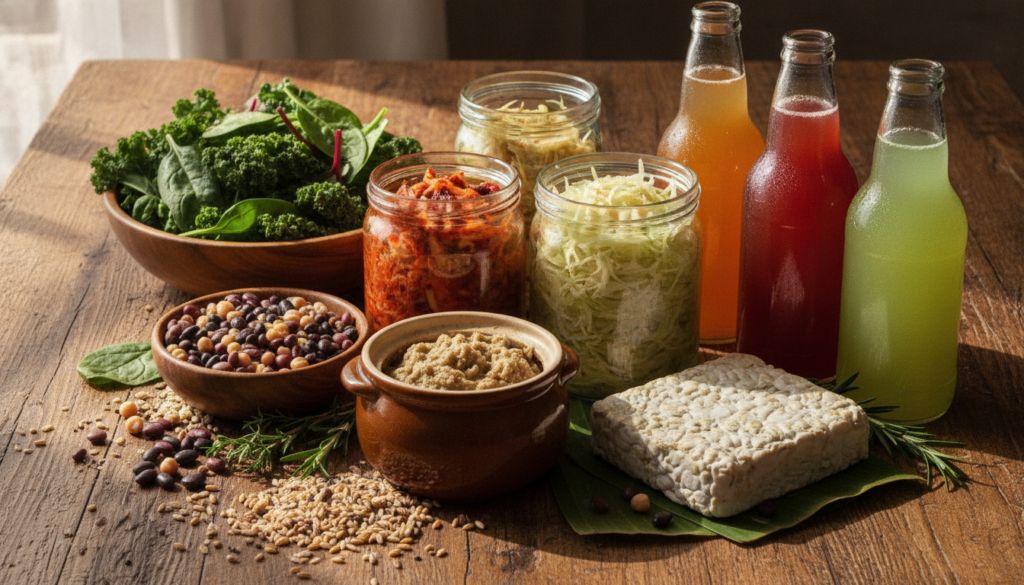

For many navigating a plant-based lifestyle, the quest for optimal nutrition and diverse flavors is ongoing. While a vegan diet offers myriad health benefits, ensuring the absorption of certain key nutrients and adding culinary depth can sometimes present a unique challenge. Enter fermented foods: ancient staples reimagined for the modern vegan plate. These living foods, brimming with beneficial microorganisms, not only introduce a symphony of tangy and complex tastes but also serve as potent allies in enhancing nutrient bioavailability, fortifying gut health, and bolstering the body’s natural defenses. By transforming plant-based ingredients through microbial action, fermentation unlocks a spectrum of advantages, making vegan eating more vibrant, satisfying, and nutritionally robust. Understanding how these traditional foods integrate into a contemporary vegan diet is key to unlocking their full potential, moving beyond mere sustenance to truly thriving.
Unveiling the Science of Vegan Fermentation
Fermentation represents a fascinating biological process where microorganisms, primarily bacteria and yeasts, break down complex carbohydrates in food. In a vegan context, this transformation applies to plant-based substrates like cabbage, soybeans, and grains, resulting in distinct flavors, textures, and beneficial compounds. The specific microbial players, often various species of *Lactobacillus*, are key to initiating this controlled breakdown, converting sugars into lactic acid, acetic acid, and other organic acids. This process not only acts as a natural preservation method but also fundamentally alters the food’s composition, creating a more digestible and nutrient-rich product.
The distinction between genuinely fermented foods and those merely acidified is crucial. True fermentation involves live, active cultures that continue to interact with the food, whereas acidification often uses vinegar or other acids without the microbial activity. For a vegan diet, understanding this difference ensures the selection of products that deliver genuine probiotic benefits and enhanced nutritional profiles.
The Gut-Brain Axis: A Deeper Look for Vegans
The intricate connection between the gut and the brain, known as the gut-brain axis, plays a pivotal role in overall well-being. A diverse and healthy gut microbiome, largely supported by the regular consumption of fermented foods, contributes significantly to this connection. For individuals on a vegan diet, fermented plant-based foods foster a beneficial microbial environment that can influence mood and cognitive function. Research, including studies published in Nutrients in 2022, highlights how gut health improvements, driven by probiotic intake from fermentation, correlate with reduced stress and enhanced mental clarity. The short-chain fatty acids (SCFAs) produced during fermentation, for instance, are vital signaling molecules that can impact brain function, demonstrating a direct pathway through which a thriving vegan gut supports mental well-being.
Nutritional Alchemy: How Fermentation Boosts Vegan Health
The integration of fermented foods into a vegan diet initiates a remarkable nutritional alchemy, addressing common dietary considerations and elevating overall health. This process is particularly advantageous for plant-based eaters by improving the bioavailability of essential minerals and enhancing the body’s natural defenses.
One primary benefit lies in the reduction of antinutrients like phytic acid, commonly found in legumes and grains. Fermentation naturally degrades these compounds, facilitating better absorption of crucial minerals such as iron, zinc, and magnesium, which are vital for vegans. This enhancement of mineral uptake is a significant advantage, as highlighted in a 2020 review by the Journal of Food Science and Technology. Furthermore, some fermented foods, like natto, are exceptional sources of vitamin K2, a nutrient often challenging to obtain from an exclusively plant-based diet.
Beyond mineral absorption, the probiotic power of fermented foods contributes directly to gut health, fostering a balanced microbiome that aids digestion and strengthens immune function. An article in Frontiers in Nutrition in 2021 emphasized the immune-modulating effects of probiotics and fermentation metabolites. Additionally, the creation of unique bioactive compounds during fermentation offers anti-inflammatory and antioxidant properties, further enriching the nutritional profile of a vegan diet. This multifaceted impact underscores how fermented foods are not just additions but foundational elements for comprehensive vegan health.
Combating Antinutrients: A Vegan Advantage
Plant-based diets are incredibly nutrient-dense, yet they can sometimes contain compounds known as antinutrients, such as phytic acid and lectins. These substances can bind to minerals, hindering their absorption in the digestive tract. For vegans, optimizing mineral uptake is especially important given the reliance on plant sources for iron, zinc, and calcium.
Fermentation offers a natural and effective solution to this challenge. The enzymatic activity of microorganisms during fermentation specifically degrades these antinutrients. For example, fermenting grains and pulses, as seen in traditional preparations like homemade dosa or sprouted sourdough, significantly lowers their phytic acid content. This process effectively ‘unlocks’ the minerals, making them more available for the body to absorb. Data in Comprehensive Reviews in Food Science and Food Safety (2020) provides evidence supporting this benefit, illustrating how fermentation turns potential dietary obstacles into significant nutritional advantages for a vegan lifestyle.
Essential Fermented Foods for a Thriving Vegan Diet
Incorporating the right fermented foods can significantly enhance both the flavor and nutritional quality of a plant-based diet. A diverse selection ensures a broad spectrum of probiotics and unique culinary experiences. Here are some indispensable vegan-friendly fermented options:
- Tempeh: This firm, cake-like product derived from fermented soybeans is a versatile protein powerhouse. Its probiotics and dense texture make it ideal for savory dishes, absorbing marinades wonderfully for stir-fries, salads, or grilled recipes. Prioritizing non-GMO, organic versions ensures top quality.
- Sauerkraut: A classic ferment made simply from cabbage and salt, raw sauerkraut provides abundant lactic acid bacteria and vitamin C. Adding it to sandwiches, salads, or grain bowls offers a delightful crunch and acidity. To maintain its live cultures, avoiding heat treatment is crucial.
- Vegan Kimchi: This spicy, tangy staple from Korea can be made vegan by substituting fish sauce with tamari or kelp powder. Fermented napa cabbage, radish, and spices deliver a deep umami flavor and live lactobacilli, perfect for noodles, tofu, or rice dishes.
- Miso: A fermented soybean paste, miso is a rich, salty flavor enhancer for soups, dressings, and glazes. Lighter white miso offers a mild sweetness, while darker red varieties provide a more robust taste. Its probiotic content supports digestion, especially when boiling is avoided.
- Kombucha: A slightly tangy and fizzy beverage made from sweetened tea fermented by a SCOBY (symbiotic culture of bacteria and yeast). Kombucha refreshes and aids hydration, offering organic acids and live cultures. It serves as an excellent healthy alternative to sugary soft drinks, whether store-bought or home-brewed.
- Vegan Yogurt: Coconut, almond, or cashew-based yogurts cultured with probiotics provide a creamy texture comparable to dairy versions. They are perfect for topping with fruit, nuts, or granola, helping to balance the gut biome with their live cultures.
- Natto: A traditional Japanese food of fermented soybeans known for its sticky, stringy texture and strong umami flavor. Natto is highly valued for its exceptional vitamin K2 content and robust microflora, often served over rice with scallions and tamari for high-energy meal plans.
Beyond the Familiar: Exploring Lesser-Known Vegan Ferments
While staples like tempeh and sauerkraut are widely recognized, the world of vegan fermentation extends far beyond these popular choices. Exploring lesser-known ferments can further diversify the gut microbiome and introduce novel flavors. Water kefir, for instance, is a fizzy, probiotic-rich beverage made from fermenting water kefir grains in sugar water, offering a lighter alternative to kombucha. Rejuvelac, a liquid fermented from grains like wheat berries, is another gentle ferment often used as a starter for raw vegan cheeses and spreads, adding a unique enzymatic boost. Fermented oat products, such as sourdough oat bread or even fermented oat milk, are gaining traction for their digestive benefits and enhanced nutrient profiles. These less conventional options encourage culinary experimentation, inviting vegans to delve deeper into the transformative power of microbial cuisine.
Creative Integration: Weaving Ferments into Daily Vegan Meals
Integrating fermented foods into a vegan diet can be both simple and incredibly rewarding, transforming everyday meals with complex flavors and enhanced nutrition. The key is to think creatively about how their tangy, umami, or sour profiles can complement various dishes.
For instance, adding a spoonful or two of kimchi, sauerkraut, or pickled vegetables can elevate a simple salad, providing a vibrant crunch and a significant probiotic boost. In grain bowls, sliced tempeh or miso-glazed tofu offers a hearty protein element, while a drizzle of miso dressing, crafted from miso, lemon, and tahini, ties the flavors together. Non-dairy yogurt or cultured cashew cheese can be blended into creamy sauces, used as spreads on sourdough toast, or folded into wraps, subtly increasing probiotic intake. Beverages like kombucha or water kefir serve as refreshing accompaniments to meals or light snacks, and a splash of non-dairy yogurt can enrich smoothie bowls with live cultures.
Main dishes also benefit immensely; marinating tempeh or tofu in tamari, ginger, and miso paste deepens their flavor profiles, creating umami-rich components for stir-fries or roasted meals. Miso soups and vegan ramen gain a layered complexity from a tablespoon of miso whisked into the broth just before serving. Even breakfast can be revitalized by topping oatmeal or chia pudding with coconut yogurt, or by enjoying kombucha alongside overnight oats for a balancing tartness. For individuals new to fermented foods, starting small with 1-2 tablespoons of a single item at lunch or dinner is often recommended, gradually increasing portions as taste buds adjust. This mindful approach ensures that vegan meals remain creative, balanced, and vibrant every day.
Navigating the Market: Choosing Quality Vegan Fermented Products
Selecting high-quality fermented foods is paramount to reaping their full health benefits and ensuring a superior culinary experience in a vegan kitchen. Careful consideration of product labels and sources is essential to discern genuine probiotic-rich options from less beneficial alternatives.
When choosing fermented products, consumers should prioritize items labeled “raw,” “unpasteurized,” or explicitly stating “contains live cultures.” Pasteurization, while extending shelf life, often neutralizes the beneficial probiotic bacteria, diminishing the gut health advantages. Examining the ingredient list for simplicity is also advisable; for example, authentic sauerkraut should primarily contain only cabbage, salt, and perhaps a few spices, devoid of preservatives, added sugars, or artificial colors. Crucially for vegans, scanning for hidden animal-derived ingredients such as fish sauce in some kimchi varieties or dairy in commercial yogurts is a necessary step, with vegan-certified or clearly labeled plant-based products offering reassurance. Relying on trusted brands that list their cultures and use organic, non-GMO plants, or supporting local artisans at farmers’ markets, often ensures adherence to traditional methods and superior produce. Furthermore, checking expiration dates and opting for items with the furthest dates is a prudent practice, alongside avoiding containers that show signs of bulging, leaking, or compromised seals, as these can indicate spoilage. Ultimately, evaluating the aroma, flavor, and texture—with quality vegan kimchi tasting bright and crisp, and kombucha being naturally tangy rather than overly sweet—serves as a reliable indicator of freshness and quality. Keeping these steps in mind ensures that every fermented ingredient brought into the home contributes optimally to vibrant vegan cooking.
The Art of Home Fermentation for Vegans
Embracing home fermentation offers vegans an unparalleled opportunity to control ingredients, experiment with flavors, and enjoy fresh, cost-effective probiotic-rich foods. Beyond the economic benefits, the ability to select organic, locally sourced produce and specific starter cultures ensures the highest quality and purity. Simple projects, such as making sauerkraut from just cabbage and salt, or brewing water kefir with basic equipment like mason jars and airlocks, are excellent entry points for beginners. The process involves meticulous attention to cleanliness, proper sealing, and patience, allowing microorganisms to perform their transformative work. Mastering basic home fermentation techniques empowers individuals to tailor ferments to their exact taste preferences and nutritional needs, fostering a deeper connection with their food and expanding the culinary horizons of a plant-based diet.
Are all fermented foods suitable for a vegan diet?
No, not all fermented foods are vegan. While the fermentation process itself is plant-based, some commercial products may contain non-vegan ingredients. For example, some kimchi recipes include fish sauce, and certain kombuchas might use honey. Always check ingredient labels carefully for hidden animal-derived components to ensure they align with a vegan lifestyle.
How do fermented foods help with nutrient absorption for vegans?
Fermented foods contain beneficial enzymes and probiotics that can break down antinutrients like phytic acid, which are present in many plant-based staples such as legumes and grains. By degrading these compounds, fermentation makes essential minerals like iron, zinc, and magnesium more bioavailable, meaning the body can absorb and utilize them more efficiently. This is particularly valuable for optimizing nutrient intake on a vegan diet.
What are the best fermented foods for a beginner vegan to try?
For those new to incorporating fermented foods into a vegan diet, starting with mild and versatile options is recommended. Vegan-friendly sauerkraut (made without non-vegan additives), plain non-dairy yogurts (coconut, almond, or cashew-based with live cultures), and mild miso paste are excellent starting points. These can be easily added to meals without overwhelming the palate, allowing for gradual adaptation to their unique flavors and textures.
Can I make vegan fermented foods at home?
Absolutely. Home fermentation is a rewarding way to ensure your fermented foods are 100% vegan and to control the quality of ingredients. Simple ferments like sauerkraut, water kefir, and even homemade vegan yogurts can be made with basic kitchen equipment. There are numerous resources and recipes available that guide beginners through the process, emphasizing hygiene and proper techniques for safe and delicious results.

