
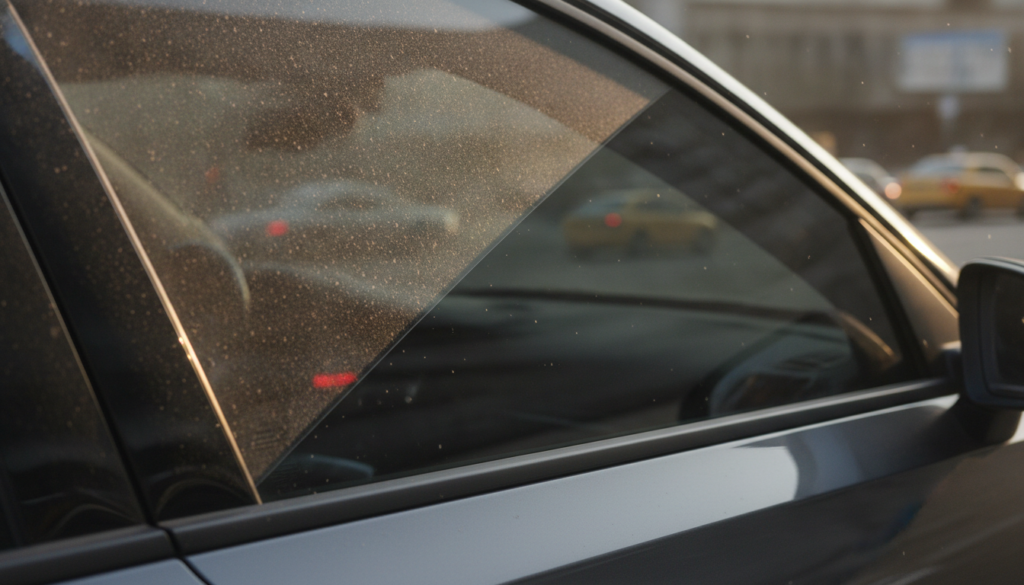

The daily commute often feels like a solitary journey, yet our vehicles are constantly battling unseen forces: a persistent haze of road dust and pervasive pollutants. These environmental aggressors don’t just settle on surfaces; they infiltrate vehicle interiors, silently degrading materials and potentially impacting the health of occupants. For years, car window tinting has been primarily associated with aesthetics or perhaps a degree of heat reduction, but its role as a frontline defense against these invisible threats is frequently overlooked. As urban environments grow denser and air quality remains a concern, understanding the multifaceted protection offered by modern window films becomes more critical than ever, extending beyond mere cosmetic enhancement to a tangible shield for both vehicle and passenger.
Navigating the Invisible Threats: Dust and Pollution on the Road
Every journey exposes your vehicle to a relentless assault of particulate matter, exhaust fumes, and industrial fallout. This road dust, composed of everything from tire debris and asphalt particles to industrial soot and pollen, isn’t just an inconvenience; it’s an abrasive agent that silently grinds away at your car’s interior. Over time, these microscopic particles embed themselves into upholstery, scratch plastic surfaces, and contribute to the premature aging of dashboards. Beyond physical damage, the chemical compounds present in exhaust and smog can accelerate fading and material degradation, diminishing your car’s appeal and longevity far quicker than expected.
The Silent Attack: How Airborne Particles Damage Your Vehicle
The impact of airborne particles extends beyond simple dirt accumulation. Microscopic dust acts like sandpaper, causing tiny abrasions on glass and plastic surfaces. Furthermore, acidic components in pollution can chemically react with dyes and polymers, leading to discoloration and brittleness of interior fabrics and panels. This constant environmental stress compromises the structural integrity and aesthetic appeal of your car’s cabin, turning what should be a comfortable sanctuary into a battleground against unseen forces.
The Science Behind the Shield: How Tinting Works Against Environmental Aggressors
Modern car window tinting offers a robust, multi-layered defense against environmental wear. By applying a thin, durable film to the interior of the glass, a protective barrier is established that significantly reduces the infiltration of fine dust particles into the cabin. This film creates a smoother, less porous surface compared to untreated glass, making it harder for dust to adhere and much easier to clean. More than just a physical impediment, high-quality tints, especially ceramic films, are engineered with advanced materials that repel static charges, further discouraging dust accumulation and ensuring a cleaner interior for longer durations.
Direct Defense: Tint as a Physical Barrier Against Dust
The adhesive nature of window tint films ensures a tight seal with the glass, effectively minimizing the minute gaps through which fine dust particles often enter the cabin. This creates an additional, unbroken layer that acts as a primary filter. Unlike untreated windows where dust might accumulate in tiny imperfections on the glass surface, a tinted window presents a uniform, sleek barrier that is inherently less hospitable to particulate matter, simplifying interior cleaning routines significantly.
Indirect Defense: UV Protection and Interior Longevity
Beyond its physical barrier properties, a critical benefit of window tinting is its exceptional ability to block harmful ultraviolet (UV) rays. By blocking up to 99.9% of UV radiation, these films act like sunscreen for your car’s interior. This is vital because UV rays are a major culprit in the fading, cracking, and degradation of upholstery, leather, and dashboard materials. Protecting these surfaces from UV exposure also makes them more resilient against the chemical damage inflicted by airborne pollutants, ensuring your car’s interior maintains its color and integrity for many years, as evidenced by studies from organizations like the Skin Cancer Foundation that confirm the efficacy of UV-protective films.
Beyond the Barrier: Indirect Protection and Health Implications
The protective advantages of car window tinting extend far beyond merely blocking dust and UV rays; they also profoundly influence occupant comfort, safety, and even the vehicle’s environmental footprint. High-quality tint films are remarkably effective at reducing solar heat gain, which can lower interior temperatures by as much as 60%. This substantial reduction means less reliance on the air conditioning system, especially during sweltering summers. A cooler cabin not only makes driving a more pleasant experience, reducing driver fatigue, but also leads to significant fuel savings. According to the Environmental Protection Agency (EPA), diminishing AC use directly translates into improved fuel economy, indirectly contributing to a reduction in the vehicle’s own carbon emissions and overall pollution.
Cooler Cabins, Greener Miles: Tint’s Environmental Footprint
The link between cooler car interiors and environmental benefits is a compelling one. When your vehicle’s cabin remains comfortably cool thanks to window tint, the air conditioning system doesn’t have to work as hard to maintain the desired temperature. This decreased workload directly translates into reduced engine strain and, consequently, lower fuel consumption. Over the lifespan of a vehicle, these small, consistent fuel savings accumulate, lessening your personal contribution to emissions and promoting a more sustainable driving practice, an often-overlooked environmental advantage of tinting.
Enhanced Safety and Personal Comfort: Glare and UV Mitigation
Driving with excessive glare from the sun or oncoming headlights can be a hazardous and fatiguing experience. Window tinting acts much like high-performance sunglasses for your car, filtering out up to 90% of glare. This dramatically improves visibility, reduces eye strain, and enhances overall driving safety, especially during dawn, dusk, or in heavy traffic. The American Optometric Association frequently highlights the critical role of glare reduction in maintaining optimal driving conditions, underscoring the health and safety benefits beyond just the aesthetic appeal. Moreover, the robust UV protection means prolonged exposure to harmful sun rays for occupants is significantly mitigated, offering crucial skin health benefits during long commutes.
Choosing Your Defense: Types of Tint for Enhanced Environmental Resistance
Selecting the right type of window tint is pivotal for maximizing its protective capabilities against dust, heat, and UV radiation. The market offers a range of options, each with distinct properties. Dyed films are the most economical but offer limited heat rejection and can fade over time. Metallic films provide excellent heat reflection and durability but might interfere with electronic signals like GPS or mobile reception. Carbon films strike a better balance, offering good heat rejection without signal interference. However, for superior performance and environmental resistance, ceramic films are the gold standard. These films contain ceramic particles that are highly effective at blocking heat and UV rays, providing unparalleled protection without compromising signal clarity or aesthetic integrity.
Understanding Tint Technologies: From Basic to High-Performance
When considering window tinting, it’s essential to understand the different technologies at play. Dyed films provide a dark appearance primarily through absorption, which means they eventually release heat into the car and can degrade over time. Metallic films reflect heat, but the metal particles can cause issues with electronics. Carbon films utilize carbon micro-particles to absorb and scatter infrared radiation, effectively reducing heat while maintaining signal integrity. Ceramic films, however, use non-metallic, ceramic nanoparticles that selectively block infrared heat and UV rays, offering the highest performance in terms of heat rejection, UV protection, and durability, making them an excellent investment for comprehensive environmental defense.
Balancing Aesthetics with Protection: Selecting the Ideal Shade
The choice of tint shade, often measured by Visible Light Transmission (VLT), is a delicate balance between personal aesthetic preference, desired privacy, and adherence to legal regulations. While darker tints (lower VLT percentages) offer maximum privacy and a dramatic look, even lighter or clear films can provide significant UV and heat protection. It’s crucial to research local laws regarding permissible tint darkness, as these vary widely by state and country. A reputable professional installer can help you navigate these regulations, ensuring your chosen tint provides optimal protection and enhances your vehicle’s appearance without legal repercussions.
Long-Term Care and Compliance: Maximizing Your Tint’s Protective Benefits
The longevity and effectiveness of your car window tint as an environmental protector depend significantly on proper care and adherence to legal guidelines. Immediately after installation, it’s crucial to allow the film to cure completely, which typically takes a few days, by avoiding rolling down your windows. For cleaning, always use ammonia-free glass cleaners and soft, non-abrasive cloths to prevent scratching or damaging the film. Harsh chemicals can degrade the tint’s adhesive and appearance over time, compromising its protective layers. Regular, gentle maintenance will ensure your tint remains intact, continuing to block dust, reduce heat, and filter UV rays effectively for years to come.
Preserving Your Investment: Maintenance Tips for Tinted Windows
To ensure your window tint continues to provide maximum protection and maintains its pristine appearance, consistent and gentle care is key. Always use cleaning solutions specifically designed for tinted windows, typically ammonia-free, and apply them with a soft microfiber cloth. Avoid using paper towels or abrasive sponges, which can scratch the film. When cleaning, wipe in a single direction to prevent streaking and ensure an even finish. By adhering to these simple practices, you can significantly extend the lifespan of your tint, preserving its integrity as a shield against environmental elements and keeping your vehicle’s interior looking newer for longer.
Navigating Regulations: Legal Tinting for Peace of Mind
While the benefits of car window tinting are clear, it is paramount to be aware of and comply with local laws and regulations regarding tint darkness. These laws, which vary significantly by state and country, often specify different VLT percentages for front side windows, rear side windows, and the rear windshield. Non-compliance can lead to fines, citations, or even the requirement to remove the tint, nullifying your investment and protective benefits. Professional tinting shops are usually well-versed in these local statutes and can guide you in selecting a legal tint that still offers optimal protection and aesthetic appeal, ensuring your peace of mind on the road.
- Blocks up to 99.9% of harmful UV rays, protecting occupants and interior materials.
- Reduces interior temperatures by up to 60%, enhancing comfort and decreasing AC use.
- Diminishes glare from sun and headlights by up to 90%, improving driving visibility and safety.
- Creates a physical barrier against fine road dust, making interiors cleaner and easier to maintain.
- Contributes to improved fuel efficiency by reducing air conditioning demand, lowering emissions.
- Enhances privacy and security by obscuring views into the vehicle, deterring potential theft.
- Preserves the car’s interior from fading and degradation, potentially increasing resale value.
Does car window tinting really protect against road dust?
Yes, window tinting provides a smoother, less porous surface on the glass that discourages dust from adhering and makes it easier to clean, effectively acting as a barrier against fine particulate matter entering the cabin.
Can tinted windows improve air quality inside my car?
While tinting doesn’t actively filter air, by creating a more sealed environment and reducing dust ingress, it can indirectly contribute to a cleaner feeling interior. Reduced AC use from heat rejection can also lessen reliance on internal air circulation that might draw in more outside air.
How does car tinting contribute to reducing pollution?
Car tinting contributes indirectly to pollution reduction by significantly lowering interior temperatures, which in turn reduces the need for constant air conditioning. Less AC use means better fuel efficiency, leading to lower carbon emissions from your vehicle.
Are there specific types of tint that offer better environmental protection?
Yes, ceramic and carbon-based window films offer superior performance in blocking heat and UV rays, which are crucial for preserving interior materials against environmental degradation. Their advanced construction also makes them more durable barriers against dust.
Will window tinting stop my car’s interior from fading due to pollutants?
Window tinting significantly slows down interior fading by blocking up to 99.9% of harmful UV rays, which are a primary cause of material degradation. While it doesn’t directly neutralize chemical pollutants, preserving material integrity makes them more resistant to general environmental wear and tear.

