
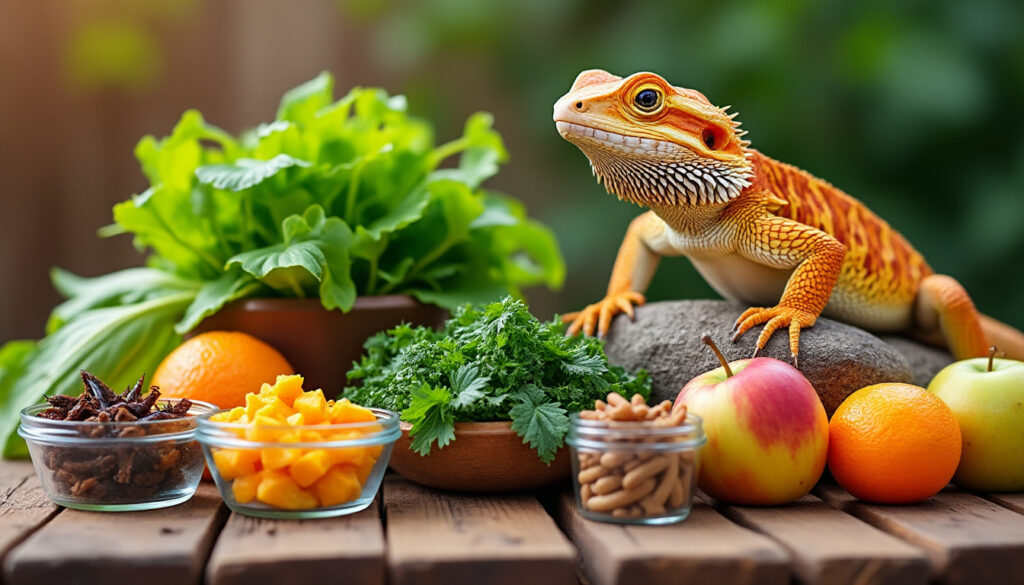

The journey of ensuring a reptile’s well-being is often fraught with complex choices, particularly when it comes to nutrition. Many owners find themselves navigating a bewildering array of food options, unsure of which path leads to optimal health for their unique companion. This uncertainty can inadvertently pave the way for nutritional deficiencies, manifesting as subtle health issues or, in more severe cases, debilitating conditions such as metabolic bone disease or gout. The delicate balance required for a reptile to thrive extends far beyond simply providing sustenance; it encompasses a deep understanding of species-specific dietary needs, coupled with meticulous environmental management. Without precise knowledge of these interconnected elements, owners might unwittingly foster environments that, despite good intentions, lead to a decline in their pet’s vitality, observing symptoms like lethargy, stunted growth, or even more dire outcomes.
This methodical guide aims to demystify the intricacies of reptile nutrition, empowering owners with the knowledge to make informed decisions that ensure their pets not only survive but truly flourish. By delving into the science behind species-specific diets, the critical role of environmental factors in nutrient absorption, and the nuances of prey preparation and supplementation, this resource offers a holistic framework. It seeks to bridge the gap between anecdotal feeding practices and veterinary insights, providing actionable strategies that account for everything from the selection of feeder insects to the proper deployment of UVB lighting. Ultimately, the goal is to cultivate a proactive approach to reptile care, fostering a partnership between owner and pet grounded in scientific understanding and a commitment to long-term health.
Understanding Your Reptile’s Fundamental Dietary Profile
To adequately nourish a reptile, an owner must first become intimately familiar with its inherent dietary classification. Reptiles are broadly categorized as carnivores, herbivores, or omnivores, yet these labels merely scratch the surface of their specific nutritional demands. Each species, having evolved within distinct ecological niches, possesses unique metabolic processes and digestive systems optimized for particular food sources found in their natural habitats. Generic feeding practices, therefore, risk overlooking these crucial biological requirements.
Species-Specific Nutritional Requirements
The notion that all reptiles can subsist on a generalized diet is a misconception that can lead to significant health issues. A bearded dragon, for instance, has dramatically different needs than a corn snake or a tortoise. Factors such as age, size, and activity levels further refine these requirements; growing juveniles often need more frequent and nutrient-dense meals than their adult counterparts. Understanding a reptile’s wild diet is paramount, as it provides the blueprint for captive care. Carnivorous reptiles typically thrive on a diet of appropriately sized insects, small rodents, or specialized fish. Herbivores depend on a variety of dark, leafy greens, select vegetables, and quality grass hay, with fruits offered sparingly due to their sugar content. Omnivores require a balanced combination, with the precise ratio dictated by their species.
- Carnivores: Principally consume feeder insects (e.g., crickets, dubia roaches, mealworms), appropriately sized rodents (e.g., mice, rats), or specialized fish.
- Herbivores: Thrive on a diverse array of dark leafy greens (e.g., dandelion greens, collard greens), select vegetables (e.g., squash, bell peppers), and high-quality grass hay, with minimal fruit.
- Omnivores: Require a carefully balanced mix of both plant matter and animal protein, tailored to the specific needs of the species.
The Critical Role of Environmental Husbandry in Nutrient Uptake
Beyond the food itself, the efficacy of a reptile’s diet is intrinsically linked to its living environment. Proper husbandry, encompassing parameters like photoperiod, temperature, humidity, and substrate, profoundly influences feeding behavior and the animal’s ability to absorb vital nutrients. A terrarium that fails to replicate suitable gradients can directly impair digestion and overall nutrient intake, leading to deficiencies even if the diet itself is theoretically sound.
Optimizing Your Reptile’s Feeding Environment
Creating an optimal feeding environment means more than just placing a food dish. Temperature and humidity gradients within an enclosure allow a reptile to thermoregulate and select conditions conducive to digestion, while sufficient basking spots are crucial for metabolic processes. In multi-animal enclosures, competition for preferred sites or feeding stations can become a significant stressor. To mitigate this, providing an adequate number of warm spots, UVB exposure areas, and feeding stations for all inhabitants is essential. The strategic placement of visual barriers can further decrease competition, ensuring each animal feels secure enough to feed effectively and without undue stress.
Demystifying Prey: Sourcing, Preparation, and Supplementation
For carnivorous and omnivorous reptiles, the quality and preparation of prey items are paramount. Sourcing live prey from indiscriminate channels carries inherent risks, including injury to the reptile and potential disease transmission. The judicious approach involves offering ethically sourced, deceased prey, often from commercial breeding centers, which mitigates these dangers and ensures a more controlled nutritional intake.
Ensuring Optimal Nutrient Delivery Through Prey
The practice of gut-loading feeder insects is a cornerstone of responsible insectivorous reptile care. For 72 hours prior to being fed, insects should receive a mineral supplement containing at least 8-10% calcium. This crucial step elevates their calcium content from a negligible 0.01% to approximately 0.5% on a dry-matter basis, helping to achieve the ideal calcium-to-phosphorus (Ca:P) ratio of 1:1, with 2:1 being preferred, as most feeder insects naturally possess an inadequate ratio. Similarly, the nutritional content of vertebrate prey, such as mice or rats, is directly dependent on their own diets; therefore, sourcing them from suppliers who feed them nutritionally complete diets is vital. When utilizing frozen vertebrate prey, optimal storage conditions are critical. They should be kept at -20°C for no more than six months in thick plastic bags to prevent deterioration, and thawed in a cooler at less than 8°C to minimize water loss, preserving their hydration status as a significant water source for the reptile.
Navigating Commercial Reptile Diets: What to Look For
The market offers an increasing array of commercial diets for reptiles, available in various forms such as frozen, freeze-dried, canned, extruded, pelleted, and sausage. These manufactured options can present a simpler and more economical alternative to fresh produce or live prey, particularly for new reptile owners or those with limited time. Acceptability often improves if reptiles are introduced to these diets when young.
Making Informed Choices for Packaged Nutrition
While convenient, commercial diets should be approached with a discerning eye. Unfortunately, not all products are formulated based on rigorous scientific studies, and manufacturers sometimes provide limited information regarding micronutrient concentrations. Therefore, buyers should proactively seek detailed information about product formulation and specific nutrient levels. For herbivorous reptile pellets, they should constitute 25-50% of the diet, supplemented with fresh greens. It is crucial to select vegetables with a low oxalate content to minimize the risk of kidney stone formation, and fruit should be limited to no more than 5% of the overall diet. Fresh, clean water must always be readily available, regardless of the diet type.
Illuminating Health: The Essential Impact of UVB Lighting
For many reptile species, especially basking lizards, sufficient exposure to ultraviolet B (UVB) light is as vital as the food they consume. UVB light, specifically within the 290–315 nm wavelength range, is essential for the synthesis of vitamin D3 in the skin, a process critical for calcium absorption and bone health. Without adequate UVB exposure, even a diet rich in calcium can fail to prevent debilitating conditions like rickets or osteomalacia, commonly known as metabolic bone disease.
Selecting and Maintaining Effective UVB Sources
The market for UVB lighting includes fluorescent tubes, compact fluorescent bulbs, and mercury vapor bulbs, with UVB LED technology becoming more prevalent in 2026. Each type has distinct characteristics regarding light diffusion, intensity, and heat output. For instance, mercury vapor bulbs provide intensive UVB and heat in a concentrated area, necessitating an escape zone to prevent burns. Proper placement, typically 30–46 cm (12–18 inches) from the reptile, is crucial, as UVB emission diminishes significantly with distance. Furthermore, UVB bulbs degrade over time; while annual replacement is a general guideline, regularly measuring the UVB output with a commercial meter is the most reliable way to ensure continued effectiveness. The emergence of UVB LED bulbs in 2026 offers high intensity but also carries a potential for toxicity if animals are overexposed, underscoring the necessity of specialist assistance to determine the precise exposure needs for each species.
Preventing Nutritional Disorders: Common Pitfalls and Solutions
Even with a well-intentioned diet, certain nutritional disorders can arise from subtle imbalances or environmental factors. Gout, for instance, characterized by the excessive precipitation of urate crystals in joints and organs, is a prevalent condition in some captive reptile species. While its exact etiology remains complex, diets excessively high in protein, impaired renal function, or chronic dehydration are often implicated.
To prevent such issues, maintaining an adequate state of hydration is paramount, particularly for species prone to uric acid accumulation. While feeding low-protein diets to carnivorous reptiles is counterproductive, as they are adapted to high-protein prey, ensuring proper protein quality and overall balance is key. Regular monitoring of a reptile’s body condition, feeding response, and activity levels serves as an invaluable early warning system, allowing owners to identify and address potential nutritional problems before they escalate into serious health crises.
How often should I feed my reptile?
The frequency of feeding depends entirely on your reptile’s species, age, and size. Young, growing reptiles often require more frequent meals, sometimes daily, while adult reptiles might only need to be fed a few times a week. Consulting a species-specific care sheet or a reptile veterinarian is always recommended to establish an appropriate schedule.
Is it safe to feed live prey to my reptile?
While some reptiles may initially require the stimulation of live prey, offering dead prey from commercial breeding centers is generally safer for both your pet and the prey. Live prey can inflict serious bites on your reptile, and there’s a higher risk of disease or parasite transmission. If live prey is necessary, careful supervision is paramount.
What is gut-loading and why is it important?
Gut-loading is the process of feeding nutrient-rich foods and supplements to feeder insects for 24-72 hours before offering them to your reptile. This practice ensures that the insects provide maximum nutritional value, particularly increasing calcium content, which is crucial for preventing common deficiencies like metabolic bone disease in insectivorous reptiles.
How do I know if my reptile is getting enough vitamin D?
Many basking reptiles synthesize vitamin D from UVB light exposure. The best way to ensure adequate vitamin D is by providing appropriate UVB lighting in their enclosure, considering bulb type, distance, and replacement schedule. While blood tests can measure vitamin D levels, normal values for most species are not well-established, making proper environmental setup the most reliable method.
Can I feed my reptile fruits and vegetables from my kitchen?
For herbivorous and omnivorous reptiles, a variety of fresh greens and some vegetables are essential. However, fruits should be offered sparingly (no more than 5% of the diet for herbivores), and certain vegetables high in oxalates should be avoided to prevent kidney stones. Always research safe and appropriate produce for your specific reptile species.

