
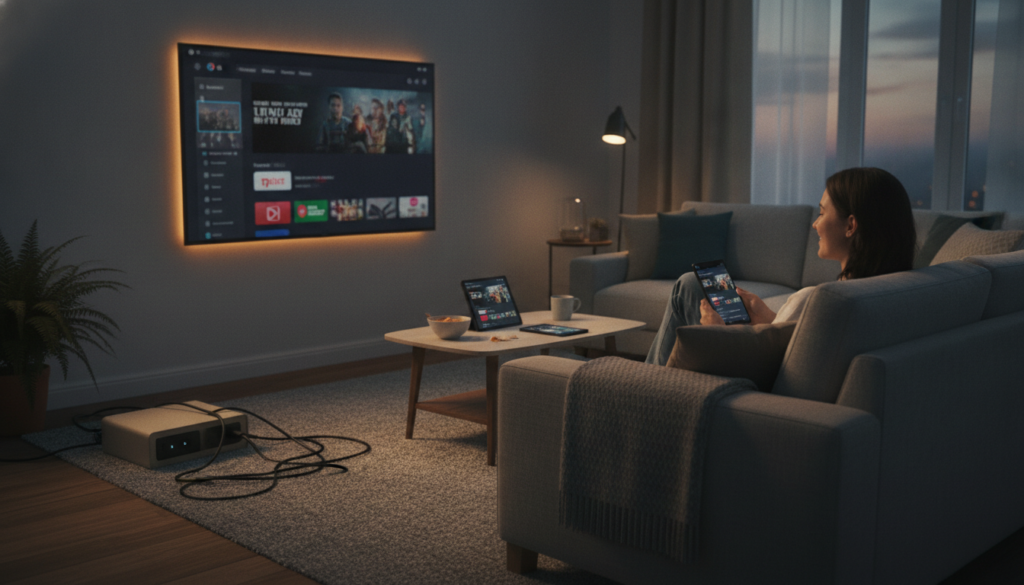

The digital age promised an era of unparalleled entertainment freedom. Remember when “cord-cutting” became the rallying cry, signaling a mass exodus from traditional cable to the seemingly limitless and cheaper world of streaming? Services like Netflix, Hulu, and Amazon Prime Video offered on-demand access, personalized content algorithms, and the tantalizing promise of an ad-free experience, all at a fraction of the cost. Viewership soared, especially as global events pushed millions indoors, accelerating the shift. This revolutionary convenience allowed us to access vast libraries of shows and movies with a single tap, transforming how we consumed media and fundamentally redefining our expectations for entertainment.
Yet, fast forward to today, and the revolutionary glow has begun to dim. That initial promise of affordability and simplicity has given way to a fragmented landscape, where viewers find themselves juggling multiple subscriptions, navigating rising costs, and enduring a resurgence of advertisements. The very convenience that drew us in now often feels like a frustrating puzzle, leading to what many are calling “streaming fatigue.” With 50% of content viewers feeling overwhelmed by the sheer number of services available, the conversation is shifting. For many, the answer to these new digital dilemmas isn’t more streaming, but a surprising re-evaluation of what traditional cable TV has to offer in this evolved media environment.
The Initial Allure of Streaming: What Drew Us In?
The early 2010s marked a pivotal moment in home entertainment, as streaming services began to capture the imagination of audiences worldwide. The appeal was multifaceted and profound. Viewers could finally escape the rigid schedules of linear television, enjoying their favorite shows and films on demand, whenever and wherever they chose. This newfound flexibility was a game-changer, allowing content to fit seamlessly into busy modern lifestyles. Furthermore, streaming platforms introduced sophisticated algorithms that promised personalized content experiences, curating recommendations based on individual preferences rather than a broad, generic schedule. This meant less time sifting through unwanted channels and more time enjoying precisely what appealed to you, whether it was a niche documentary or a popular drama.
The economic argument for streaming was equally compelling. Initial subscription costs were remarkably low, often just a few dollars a month, a stark contrast to the hefty cable bills many were accustomed to. The absence of commercials on premium tiers further enhanced the viewing experience, creating an uninterrupted flow that traditional television couldn’t match. Moreover, streaming opened up a world of international content, allowing users to explore diverse narratives and cultures with unprecedented ease. Some even leveraged tools like VPNs to bypass regional restrictions, expanding their cinematic horizons even further. This blend of cost-effectiveness, personalized choice, and global access made streaming an undeniable force, drawing millions away from conventional broadcasting and promising a future of boundless, tailored entertainment.
The Evolving Landscape: Current Challenges with Streaming Services
While streaming once championed convenience and savings, the industry’s evolution has unveiled several persistent drawbacks that have eroded its initial appeal. What began as a liberating alternative has, for many, transformed into a new set of frustrations. The very promises that drew millions to cut the cord are now being questioned as the digital entertainment landscape becomes increasingly complex and costly. This shift has prompted a critical re-evaluation of what constitutes a truly beneficial viewing experience in 2026.
The Rising Costs and Hidden Fees of Digital Entertainment
The golden era of ultra-cheap streaming appears to be largely over. Major streaming platforms have incrementally raised their prices over the past few years, with some premium subscriptions now exceeding $20 per month. The true financial burden, however, emerges when consumers subscribe to multiple platforms—Hulu, Max, YouTube TV, and Amazon Prime, for example—to access the full spectrum of content they desire. This fragmented approach often leads to a cumulative monthly bill that can rival, if not surpass, the cost of a comprehensive cable package. The initial allure of saving money has diminished as these individual subscriptions accumulate, transforming a once budget-friendly option into a substantial household expense, leaving many feeling financially drained by their pursuit of diverse content.
Streaming Fatigue: The Paradox of Too Much Choice
The sheer volume of streaming platforms available today, offering an almost infinite array of choices, has paradoxically led to widespread “streaming fatigue.” Consumers often spend more time endlessly browsing for something to watch than actually enjoying content. The constant need to switch between different apps, remember unique passwords, and navigate varied user interfaces across multiple devices has become a source of considerable frustration. This digital juggling act, combined with rotating content libraries where beloved shows can disappear unexpectedly, contributes to a sense of exhaustion rather than relaxation. The quest for simple, satisfying entertainment has inadvertently become a complex, time-consuming endeavor, undermining the very convenience streaming once promised.
Cable TV’s Unexpected Comeback: Solving Streaming’s Biggest Headaches
In response to the growing pains of the streaming era, many former cord-cutters are now casting a fresh eye on cable television, discovering that its evolved offerings provide compelling solutions to the very issues streaming has introduced. The narrative is shifting from cable as a relic of the past to a practical, often more reliable, option in the current entertainment landscape. This unexpected resurgence is not about returning to the old ways, but about appreciating how traditional providers have adapted and reasserted their value in a competitive market.
Bundled Value: A Cost-Effective Alternative to Multiple Subscriptions
Cable providers have strategically countered streaming’s fragmented cost model by enhancing their bundle deals. These packages often combine fast internet, home phone, and a comprehensive TV lineup for a single, lower combined price. When compared to the accumulating expenses of multiple streaming subscriptions plus a separate internet bill, these bundles from providers like Xfinity and Cox frequently prove to be more affordable and straightforward. This integrated approach simplifies household budgeting and offers a clear, predictable monthly expense, eliminating the “death by a thousand cuts” feeling of numerous streaming charges. The convenience of a single bill for essential home services is a tangible benefit that resonates strongly with consumers weary of piecemeal payments.
Reliable Live Access and Uninterrupted Viewing
One of cable’s enduring strengths, now more appreciated than ever, is its seamless access to live programming. For enthusiasts of local news, live sports, and major special events, cable TV delivers real-time broadcasts without the need for expensive add-ons or concerns about delayed streams. Unlike streaming, which is entirely reliant on a stable, high-speed internet connection, cable doesn’t suffer from buffering or connectivity issues during peak hours or in areas with less robust infrastructure. This inherent reliability means a consistently smooth viewing experience, a significant advantage for households in rural or low-bandwidth areas, or simply anyone who values uninterrupted entertainment. Moreover, modern cable services offer advanced DVR capabilities, allowing users to record shows, pause live TV, and access an extensive library of on-demand content, blending traditional reliability with contemporary viewing habits.
How Cable Has Adapted: Modern Features and Flexibility
Far from remaining stagnant, cable TV has undergone a significant transformation to stay competitive and relevant in the digital age. Providers have invested heavily in technology and user experience, incorporating many of the features that initially made streaming so appealing. This evolution means that today’s cable offerings bear little resemblance to the rigid, often cumbersome services of a decade ago, positioning them as a sophisticated and user-friendly option for contemporary audiences. The advancements reflect an understanding of shifting consumer demands and a commitment to integrating cutting-edge capabilities.
Integrating Digital Convenience with Traditional Reliability
Modern cable services have successfully bridged the gap between linear TV and digital streaming. Many providers now allow users to access popular streaming applications directly through their cable box, creating a unified entertainment hub. This integration means viewers can seamlessly switch between live cable channels and their Netflix or Hulu subscriptions without changing inputs or devices, streamlining the entire experience. Beyond app integration, cable has also embraced enhanced picture quality, with 4K and even some 8K options now available, rivaling the visual fidelity of high-end streaming platforms. Furthermore, the introduction of mobile cable apps empowers users to watch live TV, recorded content, and on-demand shows on their smartphones and tablets, extending the viewing experience beyond the living room. Features like voice-control remotes and AI-powered search capabilities further simplify content discovery, making navigation more intuitive and personalized than ever before, reflecting the kind of technological advancements in data transmission seen across various industries.
Who Stands to Gain Most from a Cable Re-evaluation?
While the pendulum swings back and forth between streaming and cable, certain demographics and households are particularly well-positioned to benefit from reconsidering a cable TV subscription in 2026. The advantages often align with specific needs and viewing habits that streaming, despite its evolution, still struggles to fully address without significant compromise. Understanding these profiles can help individuals make an informed decision about their entertainment future.
For large households or families, cable TV offers a straightforward and cost-effective solution for multiple simultaneous viewers. With various people wanting to watch different programs at the same time, cable provides ample channels without the complexities of account-sharing restrictions or limited simultaneous streams often found on streaming platforms. This avoids the common household disputes over who gets to watch what, when.
Local sports and news enthusiasts also stand to gain significantly. Cable ensures immediate and reliable access to live programming, meaning they won’t miss a crucial game or a critical breaking local story. Unlike streaming, where live sports often require expensive add-ons or can be subject to geo-restrictions and broadcast delays, cable delivers the action instantaneously and comprehensively. This direct connection to local events and real-time information is invaluable for those who prioritize staying connected to their community.
Finally, households in rural or low-bandwidth areas will find cable TV to be a far more reliable source of entertainment. Given that streaming is entirely dependent on a stable, high-speed internet connection, these areas often suffer from constant buffering, low-quality video, and frequent interruptions. Cable, operating independently of internet speeds for its core service, provides a seamless and uninterrupted viewing experience, allowing families to enjoy their favorite shows without the frustration of connectivity issues. This makes cable a practical and superior choice for those where internet infrastructure is less robust, ensuring consistent access to entertainment regardless of broadband limitations.
Navigating the Return: Practical Tips for Considering Cable TV
Deciding to re-engage with cable TV or even integrate it with your existing streaming services can feel like a significant step, but with a methodical approach, the transition can be smooth and beneficial. The key is to approach the decision with an understanding of your own viewing habits, financial priorities, and the diverse options now available in the market. A careful comparison can illuminate the best path forward for your household, whether you’re interested in the broader implications of evolving digital infrastructure or simply how to watch the latest content from the diverse world of digital personalities and content creators.
Making an Informed Choice for Your Entertainment Needs
Start by thoroughly researching local cable providers. Tools like SmartMove can be incredibly helpful in comparing options specific to your area, allowing you to find the best fit for your needs and budget. When evaluating providers, actively look for bundle deals that combine TV with internet and phone service. These integrated packages often represent significant savings compared to subscribing to each service individually, providing a more holistic and cost-effective solution for your home.
Don’t hesitate to take advantage of special promotions. Many cable companies offer enticing deals for new or returning customers, which might include discounted pricing for the first year, free premium channels for a limited time, or other valuable perks. Inquiry about no-contract options is also wise; some providers now offer flexible, month-to-month plans, alleviating concerns about long-term commitments and allowing greater agility if your circumstances change. Lastly, ensure you have the right equipment. Ask your provider about modern DVR options, seamless streaming integration, and any additional features that can enhance your overall viewing experience, such as voice-activated remotes or advanced search functionalities. This proactive approach ensures you maximize the value and convenience of your chosen cable service.
Finding Your Best Fit: Leveraging Tools for Entertainment Choices
The journey to find the optimal entertainment solution, whether it involves returning to cable, refining your streaming habits, or creating a hybrid model, doesn’t have to be daunting. The modern landscape, while complex, is also rich with resources designed to simplify your choices and connect you with the best available options. Tools and services specifically tailored to comparing providers and packages are invaluable in this process, ensuring that your decision is both cost-effective and perfectly aligned with your lifestyle. Reclaiming control over your entertainment budget and preferences is now more accessible than ever, transforming a potentially overwhelming task into an empowering exploration of possibilities.
Ready to navigate the evolving world of home entertainment with confidence? Switching back to cable or optimizing your current setup can seem like a big step, but platforms like SmartMove are designed to make the process effortless. SmartMove connects you with a curated selection of the best cable providers and bundle options in your area, helping you weigh the advantages of cost-effectiveness, convenience, and content access. Whether your priority is bundling services for maximum savings, gaining seamless access to premium content, or simply enjoying live TV without relying solely on your internet connection, SmartMove provides the clarity and connections you need. With cable TV making a strong comeback through improved features, flexible packages, and reliable service, SmartMove is your essential guide to effortlessly making the switch that best suits your needs.
Is cable TV truly making a comeback, or is streaming still dominant?
While streaming remains popular, cable TV is indeed experiencing a resurgence as many viewers re-evaluate their options. The comeback is driven by rising streaming costs, content fragmentation, and the reliability of cable, especially for live TV and in areas with inconsistent internet.
How do cable TV costs compare to multiple streaming subscriptions in 2026?
In 2026, subscribing to multiple premium streaming services can often rival or even exceed the cost of a traditional cable TV package, particularly when cable is bundled with internet and phone services. Cable providers are offering competitive bundle deals that make it a more cost-effective option for many households.
Can cable TV offer the same on-demand and flexible viewing as streaming?
Yes, modern cable TV has significantly evolved. Many providers now offer extensive on-demand libraries, cloud DVR capabilities, and mobile apps that allow viewers to watch live and recorded content on various devices. Some cable boxes even integrate popular streaming apps directly.
What are the main advantages of cable TV for families and sports fans?
For families, cable provides a simpler solution for multiple viewers with a single guide and no account-sharing restrictions. Sports fans benefit from reliable, real-time access to live games and local news without buffering or expensive add-ons, ensuring they don’t miss critical moments.

