
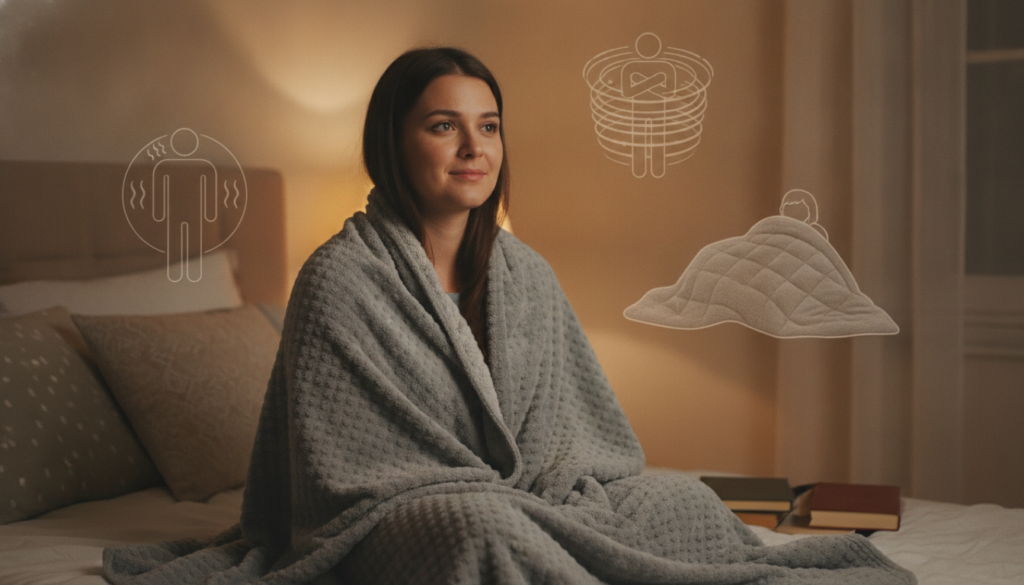

Weighted blankets have surged in popularity in recent years, lauded for their calming embrace and potential to improve sleep quality. Initially seen as specialized tools, their use has broadened considerably, appealing to a diverse audience seeking solace from daily stressors. However, with this widespread adoption comes a wave of misunderstandings, perpetuated by anecdotal evidence and outdated information. Many prospective users find themselves navigating a confusing landscape of myths that can deter them from experiencing the genuine benefits these therapeutic blankets offer. Unraveling these common misconceptions is crucial, not only to empower individuals to make informed decisions but also to highlight the true versatility and design sophistication that modern weighted blankets bring to personal well-being. This article delves into the core fallacies surrounding weighted blankets, setting the record straight and inviting a clearer understanding of their true potential.
Beyond Specific Conditions: The Universal Appeal of Weighted Blankets
One of the most persistent misconceptions surrounding weighted blankets is the belief that they are exclusively designed for individuals on the autism spectrum or those with severe sensory processing disorders. This notion, while rooted in the blankets’ early applications, significantly limits public perception of their broad utility. Indeed, weighted blankets have proven immensely helpful for many of the over 3.5 million individuals on the autism spectrum in the US, providing a sense of grounding and reducing sensory overload. Their deep touch pressure stimulation can offer a calming effect for those who experience the world more intensely.
However, narrowing the scope to specific conditions overlooks the wider physiological benefits. The gentle, firm pressure mimics a hug, stimulating the release of neurotransmitters like serotonin and melatonin, which are essential for mood regulation and sleep. This mechanism extends its advantages to anyone grappling with anxiety, attention deficit hyperactivity disorder (ADHD), or even restless leg syndrome. By promoting a state of calm, these blankets assist a much broader population in managing daily stress and improving overall well-being, making them a valuable addition to many households in 2026.
Debunking the Overheating Myth: Comfort in Any Season
The thought of being enveloped by a heavy blanket often conjures images of oppressive heat, especially for those living in warmer climates or during summer months. This misconception about weighted blankets often dissuades potential users, imagining restless, sweaty nights. Yet, modern weighted blankets are engineered with thermoregulation in mind, vastly different from traditional comforters designed solely for warmth. Their primary function is to apply pressure, not to insulate against cold.
Contemporary designs frequently incorporate advanced, breathable fabrics such as bamboo, cotton, or specialized cooling synthetics that wick away moisture and enhance airflow. Some even feature dual-sided designs, offering a cooler fabric for one side and a cozier option for another, like the innovative Nodpod Body blanket mentioned in recent consumer reviews. While any covering will retain some body heat, the discomfort of overheating is largely a matter of personal preference and environmental control. Adjusting your room’s air conditioning or choosing a blanket specifically designed for cool comfort can easily mitigate any concerns about feeling too warm, ensuring that a weighted blanket can be a year-round comfort.
The Precise Science of Weight: Finding Your Ideal Comfort
Perhaps one of the most widespread and potentially detrimental misconceptions is the idea that “the more weight, the better.” This often leads individuals to believe that a blanket should weigh a minimum of 10% of their total body weight, an outdated guideline that many medical professionals now advise against as a rigid rule. Such a blanket can indeed become cumbersome, leading to discomfort rather than the desired feelings of calmness and security.
Modern weighted blankets are a product of precise manufacturing, often featuring small, evenly distributed pockets filled with glass beads or sand-like materials. This meticulous construction ensures that the weight applies a gentle, uniform pressure across the body, a sensation known as Deep Touch Pressure (DTP). This standardized weight distribution is key to stimulating the nervous system effectively, releasing endorphins and creating a soothing effect without restricting movement or causing undue strain. Investing in a heavy, unevenly weighted blanket is not equivalent to experiencing the therapeutic benefits of a properly designed weighted blanket, which prioritizes gentle, consistent contact over sheer mass.
Aiding All Ages: How Weighted Blankets Benefit Everyone
The notion that weighted blankets are exclusively for children is another significant barrier to broader adoption. While children, particularly those experiencing sensory changes or emotional dysregulation, often benefit visibly from the calming pressure, this does not mean the product is specifically age-limited. The market today offers a vast array of weighted blankets tailored for different age groups, body sizes, and therapeutic needs.
From adolescents navigating the complexities of school life to adults managing workplace stress or seeking better sleep, the benefits of deep touch pressure are universal. The underlying mechanism—the healthy flow of endorphins and nerve relaxation—is not restricted by age. Manufacturers produce various sizes, weights, and designs, ensuring that an adult seeking relief from chronic pain or an elderly individual looking for comfort can find a blanket perfectly suited to their requirements. The therapeutic embrace of a weighted blanket transcends age, offering a tranquil experience to anyone seeking improved well-being.
Freedom and Security: Addressing Concerns of Restraint
For some, the idea of a heavy blanket can evoke feelings of being trapped or restrained, especially for those with past experiences of claustrophobia or trauma. This concern is valid, as an improperly chosen weighted blanket—one that is too heavy or too restrictive—can indeed lead to discomfort rather than the intended sense of security. The goal of a weighted blanket is to provide a comforting embrace, not to impede movement or create a feeling of being overburdened.
The essence lies in choice and appropriate selection. A correctly weighted blanket should allow for easy movement, enabling an individual to adjust their position or get out from under it without struggle. The gentle, consistent pressure should offer a grounding sensation, fostering relaxation and security, which is a stark contrast to feeling immobilized. Therefore, understanding the importance of selecting the right weight, as advised by product guidelines and personal comfort, is paramount to ensuring the blanket acts as a soothing aid, not a source of anxiety or physical restriction.
Navigating the Market: Making an Informed Weighted Blanket Purchase
With so many misconceptions now clarified, the path to choosing the right weighted blanket becomes much clearer. The variety available in 2026 is immense, catering to virtually every need and preference. To ensure a beneficial experience, prospective buyers should focus on several key aspects that move beyond common myths.
- Personalized Weight: Move away from rigid percentage rules. Consult manufacturer guidelines, consider your comfort level, and perhaps opt for a slightly lighter option if you’re unsure. The goal is gentle pressure, not excessive weight.
- Material Matters: Look for breathable, thermoregulating fabrics if you tend to overheat. Options like bamboo, Tencel, or specialized cooling cotton blends can make a significant difference for year-round comfort.
- Even Weight Distribution: Prioritize blankets with small, well-stitched pockets that keep the weighted fill (glass beads, plastic pellets) evenly distributed. This ensures consistent deep touch pressure.
- Size and Fit: Choose a blanket that fits your body, not necessarily your entire bed. A personal-sized blanket often provides the best focused pressure, though larger options exist for shared use.
- Care Instructions: Check if the blanket is machine washable or requires spot cleaning, as maintenance ease can be a practical consideration.
By focusing on these practical elements, individuals can navigate the vast market of weighted blankets with confidence, ensuring they select a product that genuinely enhances their comfort and well-being, free from the shadows of common misconceptions.
Are weighted blankets only for people with specific conditions like autism or ADHD?
No, this is a common misconception. While weighted blankets are highly beneficial for individuals with autism, ADHD, and sensory processing disorders, their calming benefits extend to anyone seeking improved sleep, reduced anxiety, or general relaxation. The deep touch pressure helps release serotonin and melatonin, aiding mood and sleep for a wide demographic.
Will a weighted blanket make me too hot, especially during summer?
Modern weighted blankets are designed with thermoregulation in mind. Many are made from breathable fabrics like bamboo, cotton, or specialized cooling materials that prevent overheating. While any blanket can retain some body heat, choosing a blanket with cooling properties and adjusting your room’s temperature can ensure comfortable use year-round.
Is it true that the heavier the weighted blanket, the better it is?
Not necessarily. The idea that a blanket should be 10% of your body weight is a guideline, not a strict rule, and often leads to blankets that are too heavy. The effectiveness comes from even weight distribution and gentle deep touch pressure, not just sheer mass. Selecting a weight that feels comforting without being restrictive is more important than opting for the heaviest option.
Can adults and elderly individuals benefit from weighted blankets, or are they just for children?
Weighted blankets offer benefits across all age groups. While children often show visible positive responses, adults and elderly individuals can also experience reduced anxiety, improved sleep quality, and relief from chronic pain through the release of endorphins. Manufacturers offer a variety of sizes and weights tailored for different age groups to ensure comfort and effectiveness.
Do weighted blankets feel restraining or limit movement?
When chosen correctly, a weighted blanket should provide a comforting, secure feeling without being restraining. An excessively heavy blanket can indeed limit movement, leading to discomfort. The key is to select a weight that allows you to move freely and get out from under the blanket easily, ensuring it acts as a therapeutic aid rather than a physical restraint.

