

The allure of an ATV adventure, with its promise of rugged trails and untamed landscapes, often sparks a thrill within many. Yet, for beginners, this excitement can quickly become overshadowed by the daunting task of planning. The sheer volume of information, coupled with uncertainties about proper preparation, safety protocols, and essential gear, can lead to significant anxiety and overlooked details. Many aspiring riders find themselves at a crossroads, unsure how to transform their adventurous spirit into a successful maiden journey.
Without a structured, methodical approach, a beginner’s first off-road excursion risks becoming a source of stress rather than exhilaration. Mechanical issues on remote trails, unexpected weather changes, or even simple navigational errors can transform a day of exploration into a challenging ordeal. The fear of encountering these unforeseen obstacles, or worse, legal complications due to a lack of awareness, often deters individuals from ever fully embracing the ATV experience. This hesitation means missing out on the unique freedom and joy that comes with traversing diverse terrains.
This guide offers a methodical blueprint designed to demystify the entire planning process, empowering every beginner to approach their first ATV adventure with absolute confidence and comprehensive preparation. We aim to equip new riders with the knowledge and practical steps necessary to navigate potential pitfalls, ensuring a journey that is not only safe and responsible but also profoundly enjoyable and memorable. By transforming uncertainties into actionable strategies, we lay the groundwork for countless future explorations.
The Foundation: Choosing Your First ATV and Essential Gear
Embarking on an ATV adventure begins long before you hit the trail; it starts with selecting the right machine and equipping yourself appropriately. A suitable ATV for a beginner emphasizes ease of handling and safety over raw power, ensuring a comfortable and controlled introduction to off-road riding. Beyond the vehicle, your personal gear acts as your primary layer of defense against the elements and potential hazards, making informed choices in both areas paramount for a successful and secure experience.
Selecting the Right ATV for Beginners
When considering your first ATV, prioritizing a model that matches your skill level and physical capabilities is crucial. For most adult beginners, an ATV with an engine displacement between 250cc and 400cc strikes an ideal balance, offering sufficient power without being overwhelming. These models typically feature easier maneuverability and more predictable handling characteristics. Renting an ATV for your initial trips presents a significant advantage, allowing you to test different types and gain experience without the immediate commitment of purchase. Imagine a rider, perhaps Sarah, opting to rent a 300cc utility ATV for her inaugural trip to the fictional Pine Ridge State Park, experiencing firsthand its responsive steering and stable ride on varied terrain before considering ownership.
Your Essential Packing Checklist for ATV Safety
No ATV adventure is complete without a comprehensive array of protective gear. A DOT-approved helmet is non-negotiable, acting as the primary safeguard for your head. Coupled with impact-resistant goggles, your vision remains clear while protecting your eyes from debris. Durable gloves, full-length pants, a long-sleeved shirt, and sturdy over-the-ankle boots complete the protective ensemble, shielding your body from scrapes, branches, and minor impacts. Beyond personal attire, a well-stocked first-aid kit, a reliable communication device such as a satellite messenger for areas without cell service, and basic repair tools like a tire repair kit and a multi-tool are indispensable. These items form the backbone of preparedness, addressing common issues that can arise far from assistance.
Navigating the Wild: Trail Selection and Route Planning
Once your ATV and gear are ready, the next critical step involves identifying appropriate trails and meticulously planning your route. The vast network of off-road trails offers diverse experiences, but not all are suitable for novice riders. Understanding how to research and interpret trail information ensures you embark on paths that match your skill level, promoting both enjoyment and safety. Furthermore, adhering to local regulations and environmental guidelines is not just about compliance, but about preserving these natural spaces for everyone to enjoy responsibly.
Finding Beginner-Friendly ATV Trails
The quest for an ideal beginner trail begins with diligent research. State park websites, national forest resources, and dedicated ATV club portals are invaluable starting points, often providing detailed maps, difficulty ratings, and specific regulations. Apps like AllTrails or specialized OHV (Off-Highway Vehicle) apps can also offer real-time information and user reviews. For instance, if planning a trip near the hypothetical Pine Ridge State Park, a quick search would reveal designated beginner loops, typically marked with green or blue indicators, suggesting relatively flat terrain with minimal obstacles. These resources clarify what to expect, preventing unwelcome surprises and ensuring a positive first experience.
Understanding Trail Maps and Navigation Tools
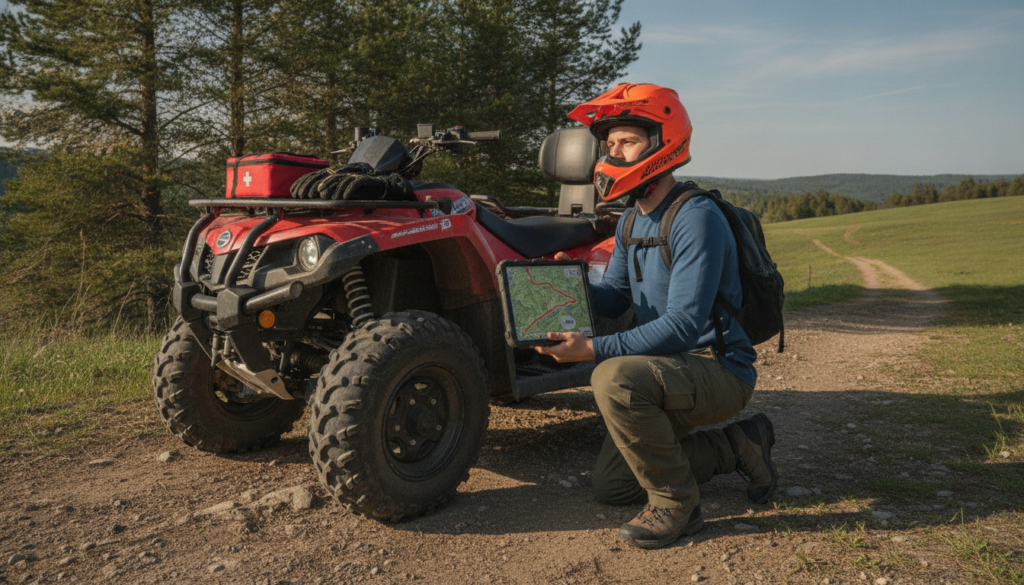
Effective navigation is paramount for safety and confidence on the trails. Interpreting trail markers, such as color-coded blazes or numbered signs, is a fundamental skill. While modern GPS devices and smartphone applications offer precise location tracking, always carry a physical map as a backup, particularly in areas with unreliable signal. Before departure, meticulously trace your intended route, noting potential bailout points or emergency exits. This foresight not only prevents getting lost but also instills a sense of control, transforming a potentially disorienting experience into a structured adventure. Knowing your path helps maintain situational awareness, a key component of safe riding.
Safety First: Preparing for Unexpected Challenges
Even the most meticulously planned adventure can encounter unforeseen circumstances. Equipping yourself with knowledge of safety protocols and emergency preparedness is not about anticipating disaster, but about building resilience and confidence. Formal safety training, coupled with a practical understanding of minor mechanical issues, empowers riders to handle challenges calmly and effectively. This proactive approach ensures that when the unexpected occurs, you are prepared to respond, minimizing risk and maximizing your ability to enjoy the ride.
Embracing Safety Training and Protocols
Investing in formal ATV safety training, such as the courses offered by the ATV Safety Institute (ASI) RiderCourse, provides a foundational understanding of safe operating principles. These courses cover essential techniques, environmental awareness, and critical safety protocols. Beyond formal training, always adhere to basic safety guidelines: ride with at least one companion, maintain a safe distance from other riders, and respect designated speed limits. For example, practicing the “buddy system” ensures that if one ATV encounters a problem, another is there to assist or call for help, reinforcing a collective sense of security on the trail.
Emergency Preparedness for Your ATV Adventure
A well-assembled emergency kit is a non-negotiable component of any ATV trip. This should include a comprehensive first-aid kit for minor injuries, a fire starter, a multi-tool, and a reflective blanket for warmth in unexpected overnight situations. Before heading out, establish a communication plan with someone not on the trip, sharing your route and expected return time. Should a minor breakdown occur, like a flat tire, knowing how to use a basic tire repair kit can be a game-changer. These preparations alleviate anxiety, allowing you to focus on the thrill of the ride rather than potential mishaps.
Mastering the Ride: Basic Techniques and Trail Etiquette
Operating an ATV effectively involves more than just pressing the throttle; it requires understanding fundamental riding techniques and adhering to established trail etiquette. Developing control over the machine enhances both safety and enjoyment, allowing you to confidently navigate diverse terrains. Equally important is respecting the environment and other trail users, fostering a positive community spirit and preserving access to these unique outdoor spaces for everyone. A skilled rider is also a courteous and responsible one, ensuring the longevity of ATV recreation.
Fundamental ATV Riding Techniques
Proper riding posture is the cornerstone of ATV control. Maintain an upright stance, using your legs to absorb shocks and shift your weight to lean into turns or climb inclines. Gentle, consistent throttle control is vital, avoiding sudden jerks that can destabilize the vehicle. When braking, apply both front and rear brakes smoothly to maintain balance. Practicing these fundamental maneuvers in an open, controlled environment, such as a designated training area, builds muscle memory and confidence. Imagine a new rider, Alex, spending an afternoon refining his throttle control and weight distribution on gentle slopes, feeling the machine respond predictably under his command.
Adhering to Trail Etiquette and Shared Spaces
Trail etiquette is a shared responsibility that ensures harmonious use of outdoor spaces. Always yield to hikers, mountain bikers, and horseback riders, reducing your speed and giving them ample room. Minimize noise pollution by keeping your ATV in good working order and avoiding unnecessary revving. Respect private property by staying on marked trails and refraining from entering unauthorized areas. The “pack it in, pack it out” principle is paramount: leave no trash behind, ensuring the natural beauty of the trails remains pristine for future adventurers. These simple acts of consideration contribute significantly to a positive experience for all users.
Beyond the Ride: Environmental Responsibility and Post-Adventure Care
An ATV adventure doesn’t conclude once the engine is turned off; it extends to your environmental impact and the care you provide for your vehicle. Embracing “Leave No Trace” principles ensures that the natural beauty of the trails remains unspoiled for future generations. Similarly, routine post-ride maintenance is crucial for the longevity and reliability of your ATV, guaranteeing it’s ready and safe for countless more explorations. Responsible riding encompasses both respect for nature and proactive machine upkeep, cementing the full adventure experience.
Practicing Sustainable ATV Riding: Leave No Trace
Sustainable ATV riding is integral to preserving the environments we cherish. It means staying exclusively on designated trails, preventing erosion and damage to fragile ecosystems. Avoid traversing sensitive areas like wetlands or newly vegetated slopes. Proper waste disposal, which includes packing out all trash, even biodegradable items like fruit peels, is essential. Additionally, observe wildlife from a distance, refraining from disturbing natural habitats. These actions collectively minimize our ecological footprint, ensuring the trails remain vibrant and accessible for years to come. Such mindful engagement enhances the very spirit of outdoor adventure.
Post-Ride ATV Inspection and Maintenance
After a thrilling day on the trails, a quick but thorough post-ride inspection and cleaning are vital. Begin by hosing off mud and debris, paying close attention to the engine, suspension, and brake components. Check tire pressure, as changes in temperature or impacts can affect it. Inspect for any new damage, loose bolts, or fluid leaks that might have occurred during the ride. Regularly checking oil levels and air filters ensures optimal performance and prevents premature wear. This routine care not only extends the life of your ATV but also prevents minor issues from escalating into costly repairs, keeping your machine trail-ready.
What is the ideal engine size for a beginner’s first ATV?
For most adult beginners, an ATV with an engine size between 250cc and 400cc is recommended. This range offers sufficient power for various terrains without being overwhelming, allowing new riders to focus on developing their skills safely.
Do I need special training to ride an ATV?
While not always legally mandatory in every state, formal safety training, such as the ATV Safety Institute (ASI) RiderCourse, is highly recommended. These courses teach essential riding techniques, safety protocols, and responsible off-road practices, significantly enhancing both safety and confidence.
How do I find beginner-friendly ATV trails in my area?
You can find beginner-friendly trails by checking state park websites, national forest resources, and local ATV club portals. Specialized OHV mapping apps and online forums also provide detailed information on trail difficulty ratings, regulations, and user reviews, helping you identify suitable routes.
What essential gear should I never forget for an ATV adventure?
The absolute essentials include a DOT-approved helmet, protective goggles, durable gloves, long-sleeved clothing, sturdy over-the-ankle boots, a comprehensive first-aid kit, a communication device (like a satellite messenger), and basic repair tools. Hydration and snacks are also crucial.
Is it better to rent or buy an ATV for a first-timer?
For a first-timer, renting an ATV is often the preferred option. It allows you to experience off-road riding without the significant financial commitment of purchasing. Renting also offers the flexibility to try different ATV types and sizes, helping you determine what suits your preferences before making a long-term investment.