
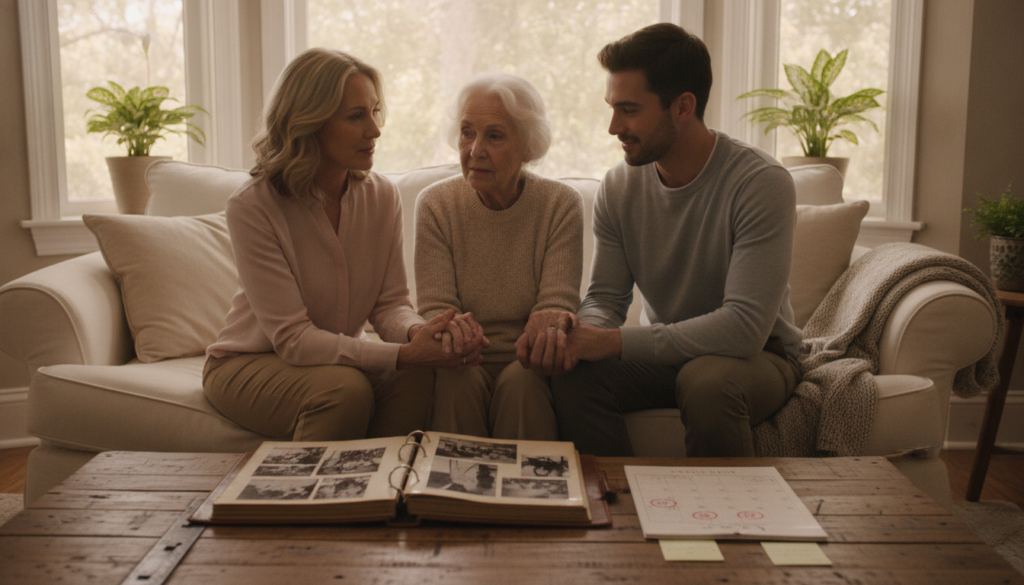

Memory loss, whether stemming from Alzheimer’s disease, dementia, or other cognitive conditions, casts a wide net, profoundly impacting not just the individual experiencing it but their entire family unit. The journey is often fraught with emotional distress, physical demands, and significant financial burdens, creating a complex landscape for caregivers and loved ones. Many families find themselves navigating unfamiliar territory, grappling with changes in communication, altered roles, and difficult decisions about long-term care. While the immediate focus often falls on managing the day-to-day challenges, a broader societal and community perspective is crucial to truly support these families. As we look towards 2026, the need for innovative, integrated support systems becomes increasingly evident, moving beyond individual coping strategies to foster a robust network of empathy, resources, and expert guidance.
Understanding the Multifaceted Impact of Memory Loss on Families
Living with a loved one experiencing memory loss is a profound transformation for any family, reshaping daily routines, relationships, and emotional landscapes. The insidious progression of conditions like Alzheimer’s introduces changes in judgment, abstract thinking, and a sense of time and place, often leading to behaviors that can be misunderstood. Initially, family members might mischaracterize symptoms such as forgetting recent events, difficulty finding words, or repeatedly asking the same questions, viewing them as deliberate carelessness rather than manifestations of a neurological shift. Recognizing these as symptoms, not voluntary behaviors, is the critical first step towards fostering a supportive environment.
The emotional toll on caregivers is immense, often leading to significant stress. As a loved one’s cognitive abilities decline, the demands for day-to-day care intensify, necessitating around-the-clock assistance in late stages. This burden is disproportionately carried by family members, with an estimated eighty percent of individuals with Alzheimer’s or another dementia receiving care at home from relatives or close friends. Beyond the emotional strain, the financial costs can be staggering, impacting family stability and resources. Shifting family roles, where children might become parents to their parents, can also create complex dynamics and tensions that require sensitive navigation and external support.
Navigating the Journey: From Early Symptoms to Advanced Care Decisions
The path through memory loss is rarely linear, often beginning long before a formal diagnosis. Recognizing early symptoms is paramount, as early intervention can make a significant difference in managing the condition and preparing the family. These signs might include subtle shifts in memory, difficulties with executive functions, or changes in personality. Encouraging a loved one to seek a medical diagnosis can be challenging, given the potential for embarrassment or fear. Family involvement, from scheduling appointments to attending them, ensures that medical professionals receive a comprehensive picture of symptoms and that the individual feels supported through a daunting process.
As memory loss progresses, balancing a loved one’s safety with their desire for independence becomes a delicate act. High-risk areas such as managing finances, overseeing healthcare, and ensuring personal safety demand vigilant attention. Individuals may forget to pay bills, fall victim to scams, or struggle to manage medications, highlighting the need for legal safeguards like a durable power of attorney for finances or an advance medical directive for healthcare. Securing potentially dangerous items in the home, like cleaning products or sharp objects, and evaluating abilities for activities like driving, are crucial steps to prevent accidental injury and maintain a safe living environment. The decision to move a loved one from home into a nursing home or assisted living facility is often one of the most difficult, underscoring the profound challenges families face as the disease advances.
Innovative Approaches to Family Caregiving Support
Supporting families dealing with memory loss requires more than just reactive care; it demands proactive and innovative strategies. Beyond the physical and emotional demands, caregivers need practical tools and knowledge to foster a better quality of life for their loved ones. A cornerstone of this is promoting a brain-healthy lifestyle, built upon four pillars: diet and nutrition emphasizing fresh, unprocessed foods, regular physical activity for cardiovascular health, cognitive activities to stimulate brain connections, and social engagement to reduce stress and improve mood. Encouraging these habits can empower individuals and their families to proactively manage cognitive well-being.
Technology offers increasingly vital coping mechanisms to supplement an unreliable memory. Simple tools like smartphone calendars can serve as an external memory, reminding individuals of appointments, medication schedules, or even acting as a personal logbook of daily activities. For those less comfortable with digital interfaces, a well-organized paper planner can be equally effective, fostering a sense of confidence and independence. The most impactful support, however, often lies in engaging with the individual’s present reality, accepting their current cognitive state without constant correction or frustration. This empathy-first approach builds trust and ensures that moments are focused on safety and satisfaction, rather than on perceived failures of memory. Families can explore resources like reliable contactor components for smart home setups that assist in safety monitoring or for enhancing communication devices, offering subtle, non-intrusive support.
Building a Resilient Community Network for Memory Loss Support
True support for families dealing with memory loss extends beyond the immediate household to encompass a robust community network. Organizations like Alzheimer’s Los Angeles exemplify this by offering specialized programs for those with Mild Cognitive Impairment (MCI) or early-stage dementia, providing a supportive environment before symptoms reach advanced stages. These high-quality programs and services are crucial for helping families manage challenges and access vital information. Community health centers, senior care facilities, and non-profit organizations often provide short videos with tips on common concerns and real-life scenarios, offering accessible guidance.
Fostering this resilience means creating accessible avenues for help, from initial symptom recognition to navigating complex care decisions. Many communities are developing initiatives that combine professional guidance with peer support, recognizing that shared experiences can alleviate feelings of isolation and provide practical insights. The collective effort to minimize unnecessary hospitalizations and readmissions relies heavily on strong home-based care, often supported by community resources that aid families in navigating the medical system. Moreover, discussions around community support extend to advocating for policies that streamline access to care, financial assistance, and respite services, ensuring a systemic approach to the challenge. Learning how others navigate complex situations, perhaps by exploring communities like those discussing free unblocked games classroom30x, can even highlight how different groups create supportive, engaging environments for their members, offering unexpected parallels in resourcefulness.
Empowering Families Through Resources and Advocacy
Empowerment for families facing memory loss stems from access to comprehensive resources and the ability to advocate effectively for their loved ones. Caregiver stress is a very real side effect of the significant physical, emotional, and financial burdens involved, making readily available support programs indispensable. For instance, the availability of workbooks to guide families through the process of hiring professional care, particularly as the disease progresses, provides a practical framework for managing increasing dependency. These resources are designed to help families maintain a loved one’s safety and health, reducing the likelihood of crises.
Beyond immediate care, families are increasingly becoming advocates for systemic changes. They push for better funding for research, more accessible diagnostic tools, and expanded community services that can adapt to evolving needs. This includes advocating for greater awareness and understanding within healthcare systems, ensuring that individuals with memory loss receive appropriate and empathetic care. The collective voice of families is powerful in shaping public policy and driving innovation in memory care, ensuring that future generations will have even more robust support systems in place. Understanding the broader impact of public figures like Kat Timpf’s net worth and influence can sometimes provide inspiration for how individuals can leverage platforms to advocate for important causes, including healthcare reform and support for vulnerable populations.
What are the earliest signs of memory loss families should look for?
Families should observe for subtle changes such as frequently forgetting recent events, struggling to find the right words in conversation, misplacing items more often, losing track of dates or seasons, and repeating questions or stories. These are often indicators that professional assessment might be beneficial.
How can families ensure their loved one receives a timely diagnosis?
To facilitate a timely diagnosis, families should encourage their loved one to see a primary care physician, offer to schedule and attend appointments with them, and be prepared to share observations about symptoms and changes in behavior. Bringing a detailed log of symptoms can be highly beneficial for the doctor.
What legal documents are crucial for managing a loved one’s affairs with memory loss?
Critical legal documents include a Durable Power of Attorney for finances, which authorizes a trusted person to manage financial matters, and an Advance Medical Directive (or Healthcare Power of Attorney), which designates someone to make healthcare decisions. These ensure the loved one’s wishes are respected and affairs are managed if they become unable to do so themselves.
What are effective strategies for communicating with someone experiencing memory loss?
Effective communication involves leading with empathy, focusing on the present moment, avoiding confrontation or constant correction about forgotten details, and using clear, simple language. Engage them in their reality rather than trying to force them back into a memory they no longer possess.
Are there community resources that offer respite care for family caregivers?
Yes, many communities offer respite care services through local Alzheimer’s associations, senior centers, or specialized dementia care providers. These programs provide temporary relief for caregivers, allowing them to rest and recharge while their loved one is cared for in a safe, supportive environment.

