
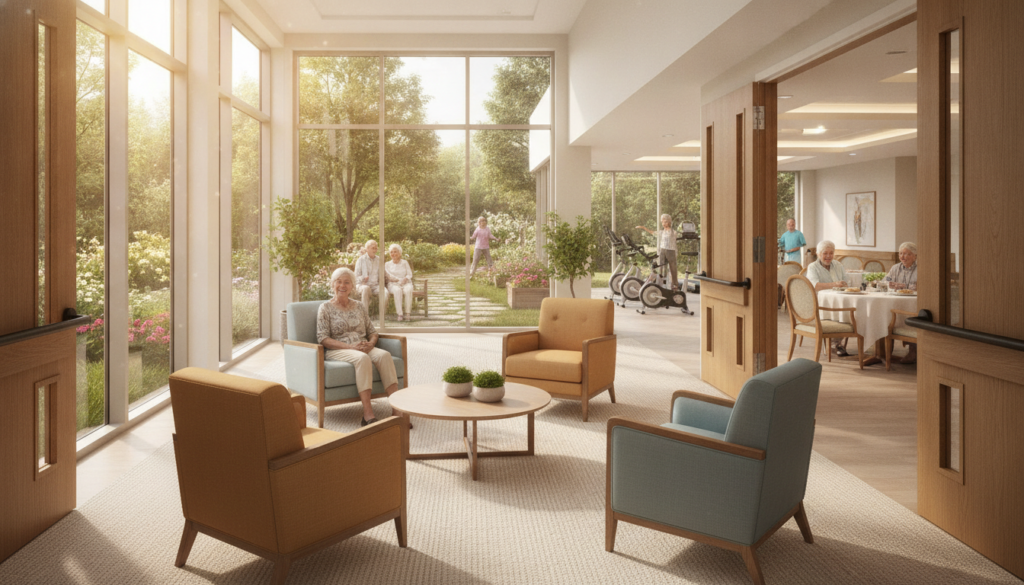

The journey to finding the ideal senior housing often begins with a captivating tour, where an array of amenities takes center stage. From elegant dining rooms offering restaurant-style meals to modern fitness centers and a vibrant calendar packed with social outings, these features are designed to impress. While such offerings are indeed crucial for fostering an enriched daily life, transforming mere existence into a period of thriving engagement, they also represent a powerful marketing tool. The critical task for families and individuals in 2026 is to meticulously discern which of these amenities genuinely contribute to an older adult’s well-being and independence, differentiating them from those that are merely attractive additions to a brochure. A senior living community’s lasting value is rooted not just in its luxurious offerings, but in how seamlessly these features integrate to support individual needs and aspirations, consistently prioritizing high-quality care and a compassionate, dedicated staff. This comprehensive guide will navigate the diverse landscape of senior living amenities, exploring their various categories, how they differ across community types, and offering strategic insights for evaluation to ensure they truly enhance, rather than overshadow, the fundamental aspects of care and connection.
Understanding the true value of senior living amenities
For many older adults, the amenities offered by a senior living community are far from frivolous; they are essential components that dictate the quality of daily life. The distinction between a community rich in engaging activities, nutritious food, and opportunities for physical activity, versus one lacking these elements, can profoundly influence an individual’s overall vitality. Isolation and boredom carry significant health consequences, and thoughtfully designed amenities serve as a direct countermeasure, promoting sustained engagement and mental stimulation. However, it is equally important to acknowledge that amenities are a primary facet of marketing. An impressive lobby or an extensive list of features can sometimes divert attention from more critical inquiries, such as the actual quality of care provided and the dedication of the staff. The most prudent approach involves valuing amenities based on their tangible contribution to a resident’s daily experiences, while always maintaining care quality as the paramount consideration. Even the most aesthetically pleasing community falls short if it cannot adequately address a person’s specific care requirements, regardless of its additional offerings.
The primary role of thoughtful community design
Thoughtful community design extends beyond mere aesthetics; it underpins the entire resident experience. Amenities, when integrated effectively, serve to enhance comfort, encourage well-being, and support a fulfilling lifestyle. For instance, communities such as those managed by Build Senior Living prioritize amenities that directly support health, wellness, and social engagement, aiming to make residents’ lives both easier and more enjoyable. This involves crafting environments that consider the physical, mental, and social health of residents, providing spaces and services that naturally encourage activity, relaxation, and connection. Recognizing that each resident possesses unique needs and preferences—some valuing robust fitness facilities, others appreciating pet-friendly spaces or varied dining—successful communities are built to accommodate these diverse lifestyles, offering a breadth of options tailored to enhance the overall living experience.
Exploring the core categories of senior housing features
Senior living amenities encompass a broad spectrum, and categorizing them can greatly assist families in comparing options and understanding a community’s full scope. These generally fall into several key groups, each contributing uniquely to a resident’s daily life. Dining services, for example, often feature restaurant-style meals, multiple venues, flexible hours, and accommodations for special diets, frequently becoming a daily highlight for residents. Fitness and wellness facilities, including exercise classes, well-equipped centers, pools, and walking paths, are crucial for keeping residents active and mobile. Social and activity calendars, brimming with clubs, games, outings, entertainment, and events, are vital for building community and combating isolation. Services such as housekeeping, laundry, maintenance, and concierge assistance remove daily burdens, allowing residents more freedom. Transportation, with scheduled rides to appointments, shopping, and outings, becomes indispensable for those who no longer drive. Finally, common spaces like libraries, gardens, salons, theaters, and lounges transform a community into a true home, fostering a sense of belonging and engagement.
Dining options for diverse tastes and dietary needs
An exceptional dining experience is often a hallmark of high-quality senior living, far exceeding mere sustenance. Communities now offer a variety of on-site dining options, from formal dining rooms suitable for special occasions to casual cafes for everyday meals, allowing residents to choose settings that match their preferences. These dining areas are meticulously designed for comfort, ease of socialization, and accessibility, providing flexible options for everything from private family gatherings to larger community meals. Importantly, dietary needs are paramount; progressive dining programs include heart-healthy, low-sodium, gluten-free, and diabetic-friendly meal options, ensuring every resident has access to nutritious meals that also meet their specific health requirements. Chefs and dietitians often collaborate to craft a dining experience that perfectly balances taste with tailored nutrition, enhancing both enjoyment and well-being.
How amenities differ across types of senior living communities
The amenities a community highlights are a direct reflection of the demographic it serves. Consequently, the offerings vary significantly depending on the level of care provided, setting clear expectations for prospective residents and their families. Independent living communities typically place a strong emphasis on lifestyle amenities, catering to active residents seeking an enriched, low-maintenance retirement. Assisted living facilities offer many similar features but scale them to residents who require some level of personal care, integrating more support into their daily routines. Memory care communities, in contrast, structure their amenities around safety, a consistent daily routine, and engagement tailored specifically for individuals with dementia. In such settings, features like a secured garden or specialized sensory activities often hold more importance than a traditional fitness studio. Matching the amenity profile to an individual’s stage of life and care needs is a fundamental aspect of making an appropriate choice.
Specialized features for memory care residents
Memory care units are specifically designed with structured routines and enhanced safety measures to provide a supportive environment for residents with cognitive conditions such as Alzheimer’s or dementia. These specialized environments prioritize features that minimize confusion, prevent wandering, and promote meaningful engagement. Amenities might include enclosed sensory gardens that offer safe outdoor access, calming common areas, and specialized activity programs tailored to cognitive abilities. These programs often focus on reminiscence therapy, gentle exercises, and creative expression, all delivered within a secure and predictable framework. The aim is to reduce agitation, enhance cognitive function where possible, and ensure a dignified, comfortable existence by meeting the very specific needs of memory care residents with precision and compassion.
Prioritizing features that promote health and enduring independence
Certain amenities transcend mere convenience; they actively safeguard a resident’s health and play a pivotal role in extending their independence. These features warrant significant consideration, as their value tends to compound over time, yielding long-term benefits. For instance, robust fitness programs and well-maintained walking paths are essential for preserving muscle strength and balance, directly mitigating the risk of falls—an event that frequently leads to a loss of independent living. The presence of on-site therapy or wellness clinics allows for early detection of health issues and can significantly accelerate recovery following an illness. Furthermore, activities designed to stimulate cognitive health, ranging from educational classes to engaging games and discussion groups, are vital for maintaining mental sharpness and overall brain health. Finally, access to good, nutritious dining is the bedrock of well-being, as poor nutrition can subtly but effectively undermine an older adult’s health. When assessing amenities, those that contribute directly to a person staying stronger, sharper, and better nourished should be given extra weight, as they profoundly influence not only enjoyment but also their long-term trajectory.
Focusing on amenities that truly matter for individuals
A lengthy list of amenities often means little if an individual will never utilize most of them. The amenities that hold true significance are those that align perfectly with a person’s specific interests, needs, and established daily habits, rather than those that simply create the most impressive visual during a tour. A crucial question to ponder is deeply personal: what does this individual genuinely enjoy and require? A lifelong swimmer will naturally value access to a pool, whereas someone who prefers quiet contemplation might not consider it a priority. An extroverted individual who thrives on company will flourish within a community offering a packed social calendar, while a more introverted person might prefer a setting with calmer, more intimate offerings. Often, practical amenities such as reliable transportation and consistent housekeeping deliver more tangible, real-world value than more flamboyant features, precisely because they are used consistently every single day. The ideal fit is a community whose amenities harmoniously support the life the individual genuinely desires to live, rather than one boasting the most extensive or lavish list.
The critical role of social activities in senior well-being
Of all the amenities offered, social activities are perhaps the easiest to dismiss as superficial, yet they are arguably among the most profoundly important. Loneliness and isolation extend far beyond mere unpleasantness; they carry severe health implications. A recent advisory from the U.S. Surgeon General on social connection highlighted that poor social engagement significantly elevates the risk of heart disease by approximately 29% and increases the risk of dementia in older adults by about 50%. The mortality impact of profound social isolation is even comparable to smoking up to 15 cigarettes daily. This compelling evidence underscores why a community’s activity calendar and its inherent social culture deserve meticulous attention. For many older adults, particularly those who experienced isolation while living at home, the built-in companionship of a senior living community stands as its single greatest advantage. Structured activities like shared meals, interest-based clubs, organized outings, and even the simple presence of neighbors nearby are powerful forces that draw individuals out of the isolation that so readily erodes both physical and mental health. When evaluating a community, the warmth and vibrancy of its social life should never be considered a secondary frill; for an individual susceptible to loneliness, it may well be the amenity that matters most.
Cultivating connection: from daily events to community outings
Successful senior living communities are vibrant hubs where residents can participate in a rich variety of social and recreational activities. These programs range from engaging game nights and stimulating book clubs to creative arts and crafts workshops, all designed to allow residents to pursue long-held hobbies, explore new interests, and meaningfully connect with their neighbors. Beyond internal activities, opportunities for social engagement are fostered through regularly organized group outings to local attractions, community-wide events, and resident gatherings. These structured social opportunities are specifically crafted to build strong connections, ensuring that residents feel deeply supported and actively engaged in the fabric of daily life. The aim is to create a true sense of family and belonging, transforming individual living spaces into a cohesive, interactive community where friendships flourish and spirits are lifted daily.
- Dining options with flexible hours and dietary accommodations
- Fitness centers featuring senior-friendly exercise equipment and wellness programs
- Robust social calendars with clubs, games, and entertainment
- Housekeeping, laundry, and maintenance services
- Scheduled transportation for appointments and outings
- Inviting common spaces like libraries, gardens, and theaters
- On-site health services and wellness clinics
- Emergency response systems and 24/7 security
- High-speed internet and Wi-Fi access
- Pet-friendly policies and support services
Navigating costs and evaluating amenities on a community tour
The array of amenities significantly influences the overall cost of senior living, and how these features are priced can vary widely between communities. Gaining clarity on this aspect early in the decision-making process is essential to prevent misunderstandings regarding what the monthly fee truly encompasses. While many amenities are typically bundled into the base monthly rate—such as meals, activities, housekeeping, and transportation in most communities—others might incur additional charges. These extra costs could apply to services like guest meals, salon treatments, specific outings, or premium dining experiences. When comparing different communities, it is prudent to inquire precisely which amenities are fully included and which are considered add-ons. This allows for a fair and accurate comparison of advertised rates, enabling families to understand the true financial commitment. Consulting guides on senior living costs and contracts can further illuminate how to decipher monthly fees and review the fine print, ensuring comprehensive financial awareness.
What to look for during an effective community visit
A community tour is the prime opportunity to look beyond polished presentations and truly assess whether the advertised amenities are genuinely integrated into daily life and actively utilized by residents. Asking targeted questions and making keen observations can cut through a sales pitch. It is crucial to inquire which amenities are covered by the monthly fee and which come with additional costs. Prospective residents should also ask about the frequency of activities and the typical participation rates. Requesting to observe the dining room during a mealtime and sampling the food offers invaluable insight into a daily highlight. Furthermore, it’s important to ascertain if fitness centers, transportation services, and common spaces are truly being used or if they primarily serve as showpieces. How activities are adapted to accommodate residents with varying abilities and interests is another telling sign of a community’s commitment. The most revealing indicator is not the mere existence of an amenity, but its actual usage by residents. An activity calendar filled with impressive events means little if the rooms are consistently empty; visiting during active periods of the day provides a candid view into whether a community’s amenities are vibrant components of daily life or merely a list on a wall. Being mindful of these details helps ensure a community’s offerings will genuinely contribute to a fulfilling lifestyle.
What amenities do senior living communities typically offer?
Senior living communities generally provide a range of amenities, including restaurant-style dining options, fitness and wellness programs, social activities and outings, practical services like housekeeping and laundry, scheduled transportation, and inviting common spaces such as libraries and gardens. The specific amenities available often depend on the community’s level of care.
Which senior living amenities are most important to consider?
The most valuable amenities are those that align with an individual’s personal interests, needs, and daily routines, rather than simply being the most extensive or luxurious. Practical features like transportation and housekeeping often provide significant daily value. Amenities that actively support health and independence, such as fitness programs, nutritious dining, and robust social activities, are also critically important for long-term well-being.
Are all amenities included in the monthly fee for senior living?
Many amenities, such as meals, activities, housekeeping, and transportation, are typically bundled into the base monthly rate in most communities. However, some services like guest meals, salon services, certain specialized outings, or premium dining options may incur additional charges. It’s essential to clarify exactly what is included versus what costs extra when comparing communities.
Do amenities vary significantly between different types of senior living communities?
Yes, amenities are tailored to the residents’ needs and the level of care provided. Independent living communities focus heavily on lifestyle amenities for active seniors. Assisted living offers similar features but integrates more support services. Memory care units emphasize safety, structured routines, and engagement suited for individuals with dementia. Larger communities often provide the widest range of options, while smaller residential homes offer fewer formal amenities but greater intimacy.
Why are social activities and community engagement so important in senior living?
Social activities are crucial because loneliness and isolation can significantly impact an older adult’s physical and mental health, with risks comparable to major health concerns. A community’s built-in opportunities for companionship—through shared meals, clubs, outings, and neighbors—actively combat isolation. For many, this social connection is the single greatest benefit, fostering a sense of belonging and improving overall health and quality of life.

