
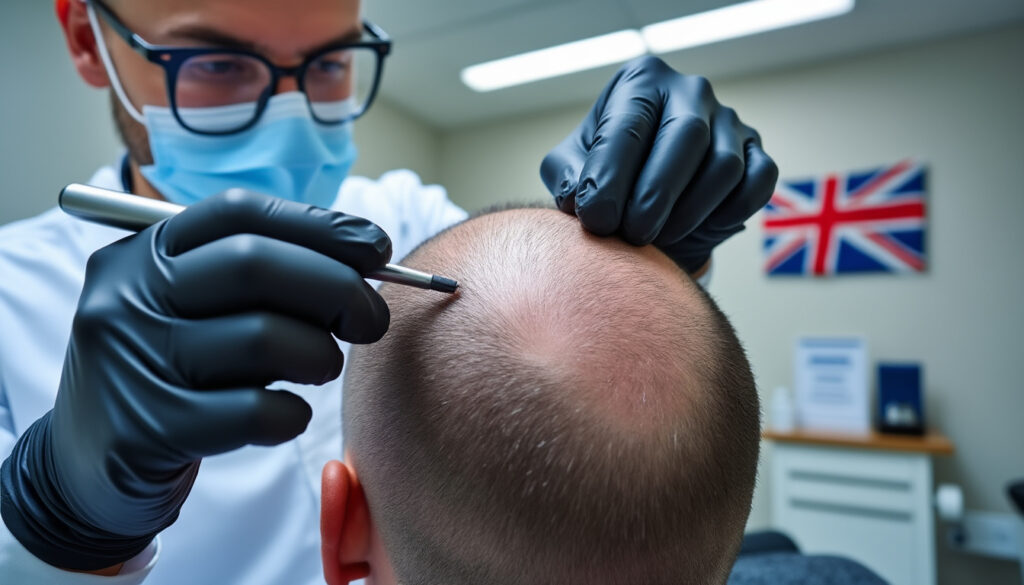

For many facing the quiet distress of hair loss, the journey toward restoration often begins with a quest for understanding. Amidst a landscape of various treatments, Follicular Unit Transplantation, widely known as FUT or the “strip method,” stands as a time-tested approach. It promises not just to replace lost hair, but to restore a sense of self and confidence. In the UK, as elsewhere, individuals are seeking not merely a procedure, but a clear, methodical explanation of how this intricate process works, from the initial consultation to the flourishing final results. This exploration delves deep into the mechanics of FUT, offering a comprehensive guide to its surgical nuances, recovery expectations, and financial considerations, ensuring clarity for anyone contemplating this significant step in 2026.
Understanding Follicular Unit Transplantation: The foundation of hair restoration
Follicular Unit Transplantation, often referred to as the “strip method,” represents one of the foundational techniques in modern hair restoration surgery. This approach involves the surgical removal of a strip of hair-bearing skin, typically from the back or sides of the head—areas known as the donor region. These hairs are genetically resilient to the effects of dihydrotestosterone (DHT), the hormone largely responsible for male pattern baldness. Once extracted, this strip undergoes meticulous dissection under high-powered microscopes, allowing skilled technicians to separate it into individual follicular units, which are naturally occurring groups of one to four hairs. The precision of this method ensures that a high yield of viable grafts can be obtained, making FUT particularly effective for individuals experiencing more extensive hair loss or those requiring a significant number of grafts.
What is FUT and why is it still relevant today?
Despite the emergence of newer techniques, FUT remains a highly relevant and valued procedure in 2026 for several compelling reasons. Its primary advantage lies in its capacity to harvest a large number of grafts in a single session, often translating to denser results for patients with widespread baldness. The method allows for careful preservation of the follicular units during dissection, which many specialists believe contributes to a higher graft survival rate once transplanted. While the linear scar associated with the donor area is a characteristic feature, advancements in surgical closure techniques have made these scars less conspicuous over time. For individuals prioritizing maximum graft count and density, particularly for larger areas of thinning or baldness, FUT continues to offer a robust and reliable solution, standing as a testament to its enduring effectiveness in the intricate science of hair restoration.
The Step-by-Step FUT Procedure: Unveiling the surgical journey
Embarking on a FUT hair transplant is a journey that unfolds systematically, guided by medical expertise and meticulous planning. The entire procedure, which typically spans between four to six hours, is performed under local anaesthetic, ensuring patient comfort throughout. While the patient remains awake, a calm and often even relaxing atmosphere is maintained. The surgical team works with precision, understanding that each step contributes to the natural and lasting outcome. From the initial marking to the final dressing, every stage is executed with the utmost care, transforming the scalp by relocating resilient hair follicles to areas where they are most needed.
Pre-operative preparation: Setting the stage for success
Preparation is key to a successful FUT procedure. Before the surgery, the surgeon will engage in a detailed consultation, identifying both the donor area—typically the back of the head where hair growth is robust—and the recipient areas that require restoration. Photographic documentation is taken to provide a baseline for tracking progress. Patients are advised on crucial pre-operative guidelines, such as abstaining from alcohol, caffeine, and spicy foods for at least 48 hours to minimize bleeding risk. Furthermore, the hair in the designated donor area will be precisely trimmed to approximately two millimeters, facilitating the surgeon’s access during the strip extraction phase.
From donor to recipient: The surgical stages
The core of the FUT procedure involves a series of carefully executed surgical stages:
- Donor Strip Harvesting: The surgeon meticulously removes a thin strip of scalp, typically measuring between 1 to 1.5 centimeters in width, from the pre-identified donor region. This process requires a steady hand and a deep understanding of scalp anatomy to ensure minimal tissue trauma.
- Microscopic Dissection: Immediately following extraction, the donor strip is handed to a team of highly trained technicians. Under specialized microscopes, they meticulously dissect the strip, separating it into individual follicular units while preserving the delicate structures essential for their survival. This critical step ensures each graft is optimized for successful transplantation.
- Recipient Site Creation: Concurrently, the surgeon carefully prepares the balding or thinning areas of the scalp, creating tiny incisions where the new hair will grow. These recipient sites are strategically placed to mimic natural hair growth patterns, considering angle, direction, and density, which are paramount for a natural-looking result.
- Graft Implantation: With the follicular units prepared and recipient sites ready, the delicate process of implantation begins. Each individual follicular unit is carefully placed into its designated incision. This stage demands immense patience and artistic skill to ensure the grafts are securely seated and positioned for optimal aesthetic outcome.
- Donor Site Closure: Finally, the donor area, from which the strip was taken, is carefully sutured closed. Modern closure techniques are designed to minimize tension and promote healing, often resulting in a fine linear scar that can be easily concealed by the surrounding hair, provided it is not worn excessively short.
Navigating Recovery and Post-Operative Care in the UK
The period following a FUT hair transplant is a critical phase for ensuring the success and longevity of the results. While the procedure itself is typically well-tolerated due to local anaesthetic, patients will experience a recovery journey that requires careful adherence to post-operative instructions. Initial discomfort, swelling, and a sensation of tightness in the donor area are common and manageable with prescribed pain medication. The team at UK clinics will provide detailed guidance on keeping the sutured area clean, using medicated products, and protecting the newly transplanted grafts. Understanding this recovery timeline and the nuances of aftercare is essential for optimizing healing and achieving the desired outcome.
The FUT recovery timeline: What to expect week by week
The recovery process after a FUT procedure unfolds in predictable stages, leading gradually to the final result:
- After surgery: Bandages are typically removed, and initial care instructions are provided.
- 1-2 days after FUT: Patients begin using medicated products to keep the donor and recipient areas clean. It is crucial to avoid alcohol, caffeine, and spicy foods to prevent potential bleeding. Sleeping in an elevated position on your back helps minimize swelling and protects the transplanted area.
- 7-10 days after surgery: Most patients feel comfortable enough to return to work, provided their job doesn’t involve strenuous physical activity.
- 10-14 days after surgery: A follow-up visit to the surgeon is scheduled for stitch removal from the donor area.
- 3-4 weeks after FUT: The transplanted hairs will typically fall out, a phenomenon known as “shock loss.” This is a normal and expected part of the process, signaling that the follicles are entering a resting phase before new growth.
- 3-4 months after FUT: New hair growth begins on the implanted area, and density will gradually start to improve.
- 6-8 months after treatment: Patients will notice a significant change in hair density and coverage, providing an encouraging visual milestone.
- 12-15 months after FUT: The complete and final result of the FUT procedure becomes visible, as the transplanted hairs have fully matured and blended with existing hair.
Managing the linear scar: Aesthetic considerations
One of the distinguishing features of the FUT method is the permanent linear scar it leaves in the donor area. This scar, typically located at the back of the head, can vary in size depending on the number of follicular units extracted and individual healing characteristics. While it will fade over time, it remains a visible mark. For many, this scar is easily concealed by the surrounding hair, especially if worn at a moderate length. However, individuals who prefer very short hairstyles might find the scar noticeable. UK clinics often discuss scar management strategies, including the possibility of scar revision surgery or even FUE procedures into the scar itself, should a patient wish to further minimize its appearance in the future. The decision to opt for FUT often involves a careful consideration of this aesthetic compromise against the benefits of maximizing graft yield.
FUT Hair Transplant Costs in the UK and what influences them
Understanding the financial aspect of a FUT hair transplant in the UK is a crucial step in the decision-making process. The cost for a FUT procedure typically ranges from approximately £3,000 to £15,000, though this can vary significantly between clinics and depending on individual needs. Several factors contribute to this pricing structure. Foremost among them is the number of individual follicular units required; most clinics operate on a ‘per graft’ basis, with prices commonly ranging from £2 to £5 per graft. Therefore, a larger area of hair loss demanding more grafts will naturally incur a higher cost. The experience and reputation of the surgeon, as well as the geographical location of the clinic—with London-based clinics often having higher overheads—also play a significant role in the overall price. While some clinics offer fixed package pricing for various stages of hair loss, it is generally important to remember that cosmetic procedures like hair transplants are rarely covered by insurance providers or the NHS in the UK, meaning patients typically bear the full expense out of pocket. Consequently, a thorough consultation is essential to obtain a personalized quote and understand the complete investment.
FUT vs. FUE: A comparative look at hair transplant techniques
When considering hair restoration, patients in the UK are primarily presented with two main surgical methods: Follicular Unit Transplantation (FUT) and Follicular Unit Extraction (FUE). While both techniques aim to relocate healthy hair follicles to balding areas, their approach to graft extraction is fundamentally different, leading to distinct outcomes in terms of scarring, recovery, and suitability for various hair loss patterns. In 2026, FUE has gained considerable popularity, accounting for a significant majority of procedures. However, FUT still maintains its vital role, particularly for specific patient profiles. Understanding these differences is paramount for making an informed choice, as each method presents its own set of advantages and considerations.
Choosing the right method for your hair restoration journey
The choice between FUT and FUE is deeply personal, hinging on an individual’s unique circumstances and priorities. FUT, with its strip harvesting method, generally allows for the extraction of a larger number of grafts in a single session, making it a powerful option for extensive baldness. It also often boasts a higher graft survival rate due to the minimal handling of the follicular units during dissection. However, the trade-off is the linear scar in the donor area, which can be a significant aesthetic concern for those who prefer very short hairstyles. FUE, by contrast, involves extracting individual follicular units, resulting in tiny, almost imperceptible dot scars and a quicker recovery time for the donor area, offering more flexibility with hair length. The deciding factors often include the extent of hair loss, the quality and density of the donor hair, budget considerations, and critically, the patient’s comfort with the potential for a linear scar. A comprehensive consultation with a qualified UK surgeon, who can objectively assess these elements and discuss combined approaches, remains the most prudent path to determining the most suitable hair restoration technique.
Achieving lasting results: Managing expectations and maximizing outcome
The ultimate goal of a FUT hair transplant is to achieve permanent, natural-looking hair restoration that significantly boosts a patient’s confidence. Once transplanted, the hair follicles, being genetically resistant to DHT, will continue to grow for life, providing a lasting solution to the problem of baldness in the treated areas. However, it is important for patients to manage their expectations regarding the natural progression of hair loss in their non-transplanted hair. While the transplanted hair is permanent, existing surrounding hair may still thin over time. For this reason, many surgeons in the UK recommend adjunct treatments like Finasteride or Minoxidil to help preserve and strengthen the native hair, thereby maximizing the overall aesthetic outcome. The transformation process is gradual, demanding patience, but the eventual density and natural appearance of the restored hairline are often profoundly impactful, leading to a renewed sense of self and an improved quality of life.
How much does a FUT hair transplant cost in the UK?
FUT transplants typically range from £3,000 to £15,000 in the UK. The price is primarily influenced by the number of grafts required, the surgeon’s expertise, and the clinic’s location. Most clinics charge per graft, with rates generally between £2 and £5 per graft.
Is a FUT hair transplant a permanent solution for hair loss?
Yes, a FUT hair transplant is considered a permanent solution. The transplanted hair follicles are typically taken from areas of the scalp genetically resistant to balding (like the back and sides), meaning they will continue to grow naturally for life. However, your existing non-transplanted hair may still thin over time, which is why additional treatments might be recommended.
How long does it take to see the final results after a FUT procedure?
While new hair growth usually begins around 3 to 4 months post-surgery, significant coverage becomes noticeable by month 8. The complete and final aesthetic result of a FUT hair transplant is typically visible between 12 to 18 months after the procedure, as the transplanted hairs fully mature.
What are the key differences between FUE and FUT hair transplant methods?
The primary distinction lies in the hair follicle extraction method. FUT (Follicular Unit Transplantation) involves surgically removing a strip of scalp, from which follicular units are then harvested. This leaves a linear scar. FUE (Follicular Unit Extraction), on the other hand, extracts individual follicular units directly from the scalp, resulting in tiny, nearly invisible dot scars and a faster donor area recovery. FUT often allows for a larger number of grafts in a single session.
Will there be a noticeable scar after a FUT hair transplant?
Yes, a FUT procedure leaves a permanent linear scar in the donor area, typically at the back of the head. Its visibility depends on its size and how short the surrounding hair is worn. While the scar fades over time, it will remain. Most patients can conceal it with slightly longer hair, but those preferring very short hairstyles might find it noticeable.

