
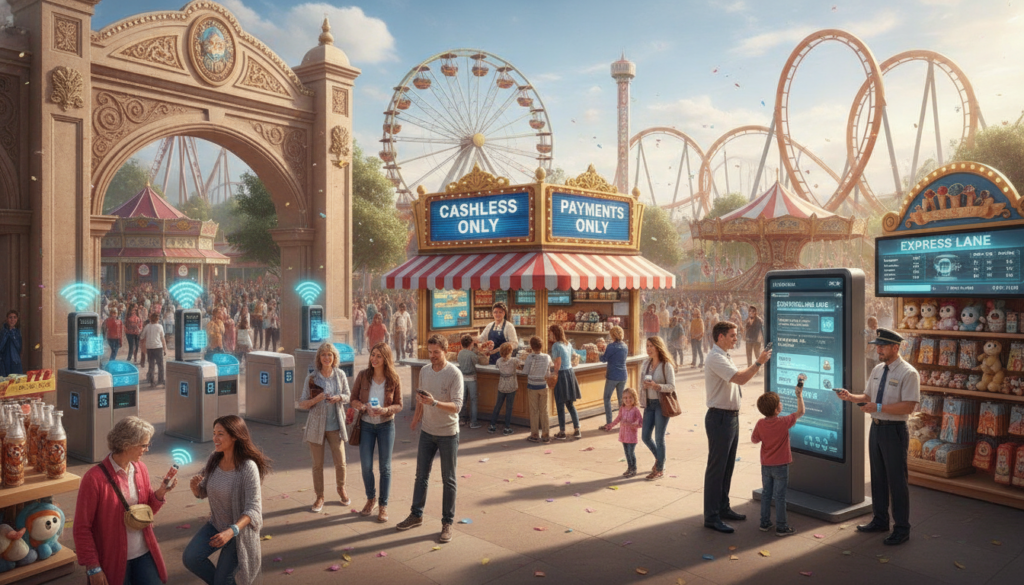

The bustling energy of an amusement park, once punctuated by the rustle of cash and the clatter of coins, is undergoing a profound transformation. In 2026, the shift towards cashless solutions isn’t merely a convenience; it’s a fundamental reimagining of the guest experience, driven by evolving technology and consumer expectations. From the moment visitors step through the gates, their interactions are streamlined, secure, and integrated into a seamless digital journey. This evolution promises not only to eliminate the frustrations of fumbling for change but also to unlock new levels of efficiency and engagement for park operators. The modern amusement park is becoming a vibrant ecosystem where payments are invisible, allowing guests to fully immerse themselves in the joy and excitement of their visit, unburdened by traditional transactional friction. This methodical embrace of digital currencies is reshaping everything from queue times to spontaneous purchases, signaling a new era for entertainment destinations.
The journey to a fully integrated cashless environment has been a deliberate and innovative one. Parks, recognizing the growing preference for digital transactions in everyday life, began phasing out reliance on physical currency. Early innovations included the introduction of RFID (Radio Frequency Identification) wristbands, allowing guests to preload funds and tap to pay throughout the park. This marked a significant leap, reducing wait times and adding a layer of convenience previously unknown. Following this, the integration of mobile apps became central, enabling visitors to link payment methods, view real-time ride wait times, secure dining reservations, and purchase tickets directly from their smartphones. These apps transformed into comprehensive digital companions, making cashless transactions an effortless part of the park experience. Concurrently, the widespread adoption of contactless payment cards further solidified the shift, permitting quick and secure transactions with a simple tap. These advancements cumulatively paved the way for the sophisticated, interconnected payment systems now standard across leading amusement parks, ensuring a frictionless and enjoyable visit for every guest.
The Evolution of Digital Payments in Amusement Park Experiences
For decades, the vibrant chaos of theme parks was underpinned by the mundane reality of cash. Ticket booths handled stacks of bills, concession stands dealt with change, and souvenir shops managed coin trays. This reliance on physical currency, while traditional, often led to bottlenecks, security concerns, and inefficiencies. The early 2000s saw the first whispers of change, with some pioneering parks experimenting with closed-loop systems, but it was the rapid acceleration of digital technology and a noticeable shift in consumer behavior that truly pushed the industry towards a cashless future. This methodical progression was not a sudden leap but rather a series of strategic innovations.
From Coins to Contactless: Key Innovations in Park Transactions
The transformation began earnestly with the introduction of RFID wristbands. These durable, waterproof wearables allowed guests to preload funds, effectively turning their wrist into a wallet. This innovation dramatically reduced transaction times at various points of sale, from food kiosks to arcade games, providing a glimpse into a more convenient future. The success of RFID wristbands spurred further development, leading to the seamless integration of mobile applications. These apps became comprehensive hubs where guests could not only manage their preloaded funds but also access park maps, check ride wait times, and even make dining reservations, all while linking their preferred payment methods.
As the technological landscape continued to evolve, so too did the methods of payment accepted within theme parks. The burgeoning popularity of general contactless payment cards, driven by security and speed, quickly extended to park environments. Guests could now simply tap their credit or debit cards at terminals, enjoying the same swift, secure transactions they experienced in retail stores outside the park. This convergence of specialized park solutions with mainstream payment technologies underscored a commitment to embracing widespread digital preferences, ensuring that theme parks remained at the forefront of guest experience innovation.
Unlocking Value: Benefits of Cashless Systems for Parks and Patrons
The transition to cashless operations in amusement parks offers a multifaceted array of advantages, profoundly impacting both the visitor experience and the operational efficiency of the park itself. It’s a win-win scenario that addresses historical pain points while simultaneously paving the way for future growth and enhanced customer satisfaction. The move away from physical cash is not merely about modernization; it’s about optimizing every facet of the amusement park ecosystem to deliver superior value.
Enhancing Guest Experience Through Seamless Transactions
For visitors, the most immediate and tangible benefit is the unparalleled convenience and efficiency. Gone are the days of fumbling for wallets or worrying about lost cash. With cashless systems, transactions are streamlined, dramatically reducing wait times at ticket booths, food stalls, and merchandise shops. Guests can complete purchases quickly, allowing them more precious time to enjoy rides and attractions. This enhanced fluidity contributes significantly to overall guest satisfaction, fostering a more relaxed and enjoyable environment where the focus remains squarely on fun and entertainment.
Beyond convenience, cashless payments elevate security for guests. The risk of theft or loss associated with carrying physical cash is eliminated. Advanced encryption and tokenization technologies protect payment information, ensuring that every transaction within the park is secure. This peace of mind allows guests to fully immerse themselves in their visit without apprehension, knowing their financial data is protected. Moreover, integration with mobile apps and loyalty programs often provides guests with real-time tracking of their spending, offering transparency and control over their budget throughout the day.
Streamlining Operations and Driving Revenue Growth
From an operator’s perspective, the benefits are equally compelling. Reducing reliance on cash handling significantly improves operational efficiency. It minimizes errors, simplifies reconciliation processes at the end of the day, and frees up staff from time-consuming cash management tasks, allowing them to focus on guest service. This shift also enhances safety for employees, as there is less cash on premises to deter potential theft.
Furthermore, cashless systems generate invaluable data-driven insights. Park operators can analyze guest spending patterns, identify popular attractions or vendors, track inventory levels in real-time, and optimize revenue management strategies. This wealth of information supports informed decision-making, enabling targeted marketing efforts, dynamic pricing adjustments, and more efficient resource allocation. Ultimately, by simplifying transactions, guests are often more inclined to make impulse purchases at food stalls, souvenir shops, or premium attractions. The ability to upsell and bundle offers directly through digital platforms also contributes to boosting overall park revenue, transforming every tap into a potential growth opportunity.
Implementing Cashless Solutions: A Practical Roadmap
The successful integration of cashless payment systems within an amusement park environment is a meticulous process, requiring careful planning and execution across multiple operational fronts. It is not simply about installing new machines but about creating a holistic digital ecosystem that supports both convenience and security. A methodical approach ensures that the transition is smooth, efficient, and ultimately beneficial for all stakeholders.
Establishing Robust Infrastructure and Connectivity
The foundation of any successful cashless system lies in a robust infrastructure. This begins with ensuring comprehensive and reliable network connectivity throughout the entire park, capable of supporting high volumes of cashless transactions without interruption. Deploying state-of-the-art event networking solutions across diverse venues, from sprawling outdoor areas to indoor attractions, is paramount. Simultaneously, the installation of a sufficient number of payment terminals at every point of sale—entry gates, food stalls, beverage vendors, and merchandise booths—is critical. These terminals must be versatile, supporting a variety of payment methods including RFID wristbands, mobile apps, and contactless cards to cater to diverse guest preferences.
Engaging Guests and Optimizing System Performance
Once the infrastructure is in place, the focus shifts to guest engagement and system optimization. A clear and efficient wristband distribution and registration process is essential upon entry, with options for online pre-registration or onsite kiosks. Equally vital is comprehensive guest education and support. Park staff must be thoroughly trained to provide clear instructions and assistance, while various communication channels—the park website, social media, and onsite signage—should inform guests about the benefits and usage of the new systems prior to their arrival. Continuous monitoring through analytics and reporting tools allows operators to track spending patterns and transaction volumes in real-time, enabling rapid adjustments and identifying areas for improvement. Post-event evaluations and feedback collection from guests and staff are crucial for ongoing refinement and iterative enhancements, ensuring the system evolves to meet ever-changing needs.
- Network Connectivity: Deploying robust and reliable network infrastructure across the entire park.
- Payment Terminal Deployment: Installing versatile terminals at all points of sale (gates, food, merchandise).
- Wristband Distribution: Providing durable, RFID-equipped wristbands to all guests upon entry.
- Guest Registration: Offering online and onsite options to link wristbands to payment methods.
- Staff Training: Educating park personnel on system usage and guest assistance.
- Guest Communication: Informing visitors about cashless systems through websites, social media, and signage.
- Real-time Monitoring: Utilizing analytics to track transactions, spending, and operational efficiency.
- Feedback Collection: Actively soliciting input from guests and staff for continuous improvement.
- Post-Event Evaluation: Conducting comprehensive reviews to assess system performance and identify refinements.
Navigating the Cashless Landscape: Tips for Visitors
For guests visiting amusement parks that have fully embraced cashless payment systems, a few simple strategies can significantly enhance their experience, ensuring a smooth and worry-free day of fun. Adapting to these modern methods is straightforward, and understanding how to best utilize them will allow visitors to maximize their time and enjoyment within the park.
Making the Most of Your Digital Wallet in the Park
Upon entering the theme park, securing your RFID cashless payment card or ensuring your mobile app is linked is the first step. Treat this digital credential with the same care you would physical cash, keeping it in a secure place. Before embarking on your park adventures, it is highly advisable to load sufficient funds onto your card or through the mobile app. Designated kiosks and the park’s mobile app usually provide convenient options for this, preventing interruptions during your day.
Familiarizing yourself with the process of using the RFID card or mobile wallet is also key. Typically, a simple tap or scan at designated payment terminals will complete transactions efficiently. Regularly checking your remaining balance on the RFID card or through the app will help manage spending and avoid unexpected shortages. Planning a budget for the day and allocating funds accordingly will give you better control over your expenditures, allowing for planned purchases and spontaneous treats without financial surprises. Moreover, keeping a mental note or reviewing digital transaction histories can help reconcile expenses and quickly identify any unauthorized charges, ensuring a secure and enjoyable visit from start to finish.
How do cashless payment systems benefit visitors at theme parks?
Cashless payment systems benefit visitors by offering faster transactions, eliminating the need to carry physical cash, enhancing security against theft or loss, and providing convenient access to features like mobile app integration for ride reservations and food ordering.
How does a cashless payment system improve park operations?
Cashless payment systems improve park operations by reducing cash handling, minimizing transactional errors, optimizing inventory management through real-time data, and enhancing revenue management strategies based on valuable spending insights.
Are cashless payment systems secure for guests?
Yes, cashless payment systems in theme parks employ robust security measures such as advanced encryption, tokenization, and fraud detection. These systems are designed to protect guest information and transactions, complying with industry standards and data protection regulations.
How can guests track their spending with cashless payment systems in theme parks?
Guests can typically track their spending in real time through associated mobile apps or online accounts provided by the park. This transparency allows them to manage their budgets effectively, review their transaction history, and make informed decisions about their purchases throughout their visit.
Do cashless payment systems reduce wait times at theme parks?
Yes, cashless payment systems significantly reduce wait times at attractions, food outlets, and merchandise stalls. By making payments faster and more efficient, guests spend less time handling cash or waiting for change, leading to a smoother and more enjoyable overall park experience.

