
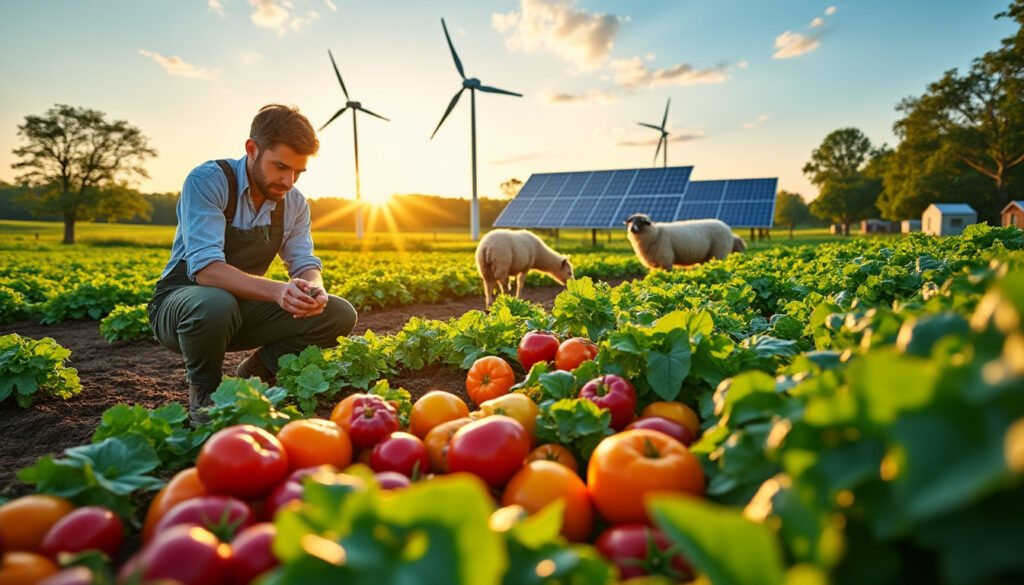

The global agricultural landscape stands at a critical juncture in 2026. For decades, conventional farming practices, while boosting yields, have inadvertently placed immense strain on our planet’s vital resources. Depleted soils, polluted waterways, and a dramatic loss of biodiversity became the silent consequences of a system focused primarily on quantity. However, a significant shift is underway, propelled by a growing awareness among consumers, pressing environmental crises, and a surge in innovative agricultural techniques. Sustainable farming, once a niche concept, is rapidly transitioning into a mainstream necessity, driven by an interconnected web of ecological, economic, and social imperatives. This profound transformation promises not only a healthier planet but also a more resilient and equitable food future for generations to come.
The Imperative: Why Current Farming Approaches Are Unsustainable
At its core, the principle of sustainability dictates that everything essential for human survival and well-being relies, either directly or indirectly, on our natural environment. Yet, traditional agricultural methods have often contradicted this fundamental truth. Intensive monocropping and heavy reliance on synthetic pesticides and fertilizers have, over time, stripped soils of their essential nutrients, compromising their long-term fertility and ability to support life. This degradation extends beyond the farm gate; excess nutrients and chemical runoff infiltrate rivers and lakes, contributing to aquatic dead zones and contaminating drinking water supplies. Furthermore, the push for agricultural efficiency has often come at the cost of biodiversity, replacing diverse ecosystems with vast swathes of single crops, diminishing habitats for crucial pollinators and beneficial insects. The resulting instability in our ecosystems highlights a pressing need for a fundamental re-evaluation of how we cultivate our food.
A Tectonic Shift in Consumer Expectations and Market Forces
The rise of sustainable farming is not solely an ecological response; it is also a powerful reflection of changing societal values and consumer demand. In 2026, consumers are more informed and conscientious than ever before, utilizing digital platforms to research food origins, production methods, and environmental impact. There is a palpable desire for transparency, authenticity, and ethically produced goods, leading to a significant market pull for sustainable products. This demand extends beyond organic labels, encompassing concerns about animal welfare, fair labor practices, and carbon footprints. As discerning shoppers increasingly vote with their wallets, prioritizing brands and producers aligned with their values, the economic incentive for farmers to adopt sustainable practices becomes undeniable. This shift in consciousness compels the entire food supply chain to respond, from the smallest local farm to the largest distributors.
Governmental Support and Pioneering Innovation Fueling the Transition
Beyond grassroots movements and consumer advocacy, governments and scientific communities are playing a pivotal role in accelerating the shift towards sustainable agriculture. Agencies like the U.S. Environmental Protection Agency (EPA) champion sustainable stewardship, recognizing agriculture’s direct contribution to protecting land, air, and water. Programs like EPA’s AgStar, focusing on anaerobic digestion to manage agricultural waste, and initiatives for sustainable management of food, illustrate a broader commitment to reducing environmental impact. Similarly, the USDA Sustainable Agriculture Research and Education (SARE) program has, since 1988, funded research and education to advance agricultural innovation that supports profitability, environmental stewardship, and quality of life for farming communities. These governmental efforts, alongside smart growth initiatives that help communities develop local food systems, provide essential frameworks and funding. Concurrently, technological advancements are revolutionizing farming, from precision agriculture utilizing satellite data to optimize resource use, to agroecology, which mimics natural ecosystems to enhance productivity and resilience. These innovations make sustainable methods not just environmentally sound but also economically viable and efficient for modern farmers.
Embracing Core Principles: The Essence of Sustainable Agriculture
Sustainable agriculture, as defined by the United Nations’ Food and Agriculture Organization (FAO), is an approach that seeks to meet the needs of present and future generations while ensuring profitability, environmental health, and social and economic equity. It moves beyond simply “going green” to embrace a holistic philosophy that integrates ecological balance with community well-being and economic viability. This comprehensive view means farmers are not just growers but stewards of complex, interconnected systems. It demands a thoughtful approach to resource management, aiming to minimize waste and maximize efficiency at every stage of the food production cycle.
- Soil Health Management: Practices like cover cropping, no-till farming, and composting to enrich soil fertility and structure, making it more resilient to droughts and floods.
- Water Resource Stewardship: Implementing efficient irrigation systems, managing runoff, and protecting local watersheds to conserve this invaluable resource.
- Biodiversity Enhancement: Integrating diverse crop rotations, native plants, and habitat for beneficial insects and wildlife, fostering a healthier, more balanced ecosystem.
- Waste-to-Resource Strategies: Utilizing food scraps for animal feed or anaerobic digestion to create renewable energy and nutrient-rich soil amendments, closing the loop on resource use.
- Energy Efficiency: Reducing fossil fuel reliance through optimized farm operations and the integration of renewable energy sources like solar and wind power.
Beyond Green: The Tangible Economic Advantages for Farmers
While often perceived through an environmental lens, the economic benefits of sustainable farming are increasingly becoming a primary driver for its adoption. Farmers embracing these methods frequently report reduced input costs over time, as reliance on expensive synthetic fertilizers and pesticides diminishes. Healthier soils, nurtured through organic matter and diverse cropping, can lead to more consistent and often higher yields, improving resilience against environmental stresses. Furthermore, the growing consumer demand for sustainable products creates new market opportunities, allowing farmers to command premium prices for their produce. Case studies, like New Seasons Market’s initiative to recycle food wastes, demonstrate tangible savings and environmental benefits, highlighting how diverting food scraps can enhance soil quality and promote more sustainable agriculture. Similarly, companies like Barthold Recycling and Roll-off Services illustrate the economic ecosystem emerging around sustainable waste management, where food waste is repurposed for animal feed on farms, creating a circular economy that benefits both producers and the environment. This financial viability transforms sustainable agriculture from an aspirational ideal into a smart business strategy.
Cultivating a Resilient Future: The Path Forward
The rising tide of sustainable farming represents more than a trend; it signifies a fundamental paradigm shift towards a more resilient and equitable global food system. It acknowledges that true prosperity cannot be separated from ecological health and social justice. By embracing practices that nurture the land, conserve water, and foster biodiversity, farmers are not only safeguarding their livelihoods but also ensuring the long-term viability of food production for a burgeoning global population. This movement is a testament to collective action—from researchers developing climate-smart agricultural techniques and policymakers crafting supportive legislation, to conscious consumers demanding better choices and innovative businesses finding new ways to reduce waste. The journey towards a fully sustainable agricultural future is ongoing, requiring continuous adaptation and collaboration, but the momentum of 2026 clearly indicates that the seeds of change have taken root and are now flourishing.
What are the main principles of sustainable farming?
Sustainable farming operates on three core pillars: environmental health (e.g., soil conservation, water quality), economic viability (profitability for farmers), and social and economic equity (fair labor, community well-being). It aims to meet current food needs without compromising the ability of future generations to meet theirs.
How do government policies support sustainable agriculture?
Governments, through agencies like the EPA and USDA SARE, provide crucial support via research grants, educational programs, and regulatory frameworks. These initiatives encourage the adoption of sustainable practices, promote waste reduction, and help develop local food systems.
Are there economic benefits for farmers who adopt sustainable practices?
Absolutely. Farmers often experience reduced input costs over time due to less reliance on synthetic fertilizers and pesticides. Healthier soils can lead to more consistent yields, and the growing consumer demand for sustainable products opens up premium markets, enhancing overall profitability and resilience against climate shocks.
What role do consumers play in the rise of sustainable farming?
Consumers are a major driving force. Their increasing awareness of food origins, environmental impact, and ethical considerations leads to a higher demand for sustainably produced goods. By making conscious purchasing decisions, consumers create a market pull that incentivizes farmers and food companies to adopt more sustainable practices.

