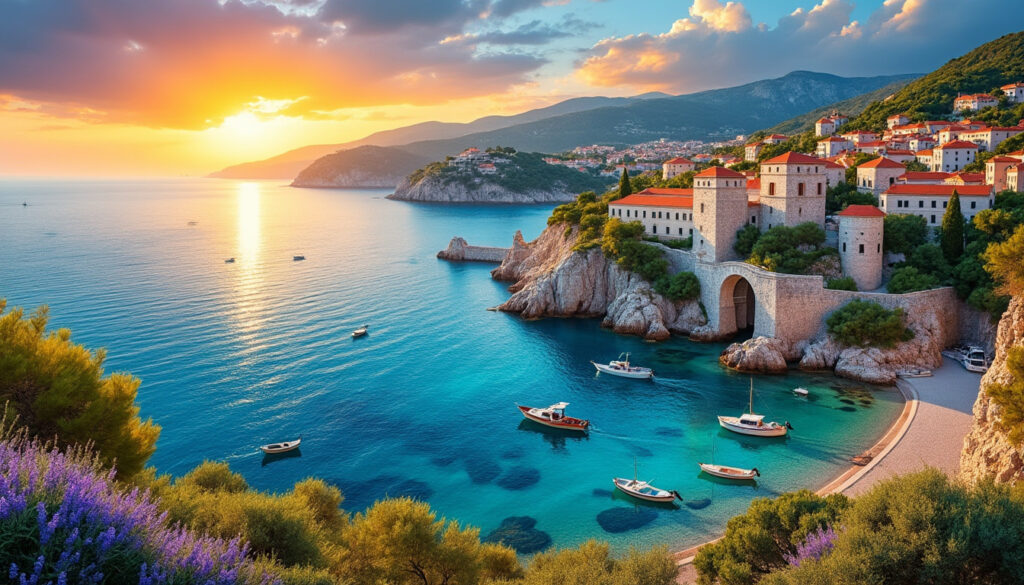
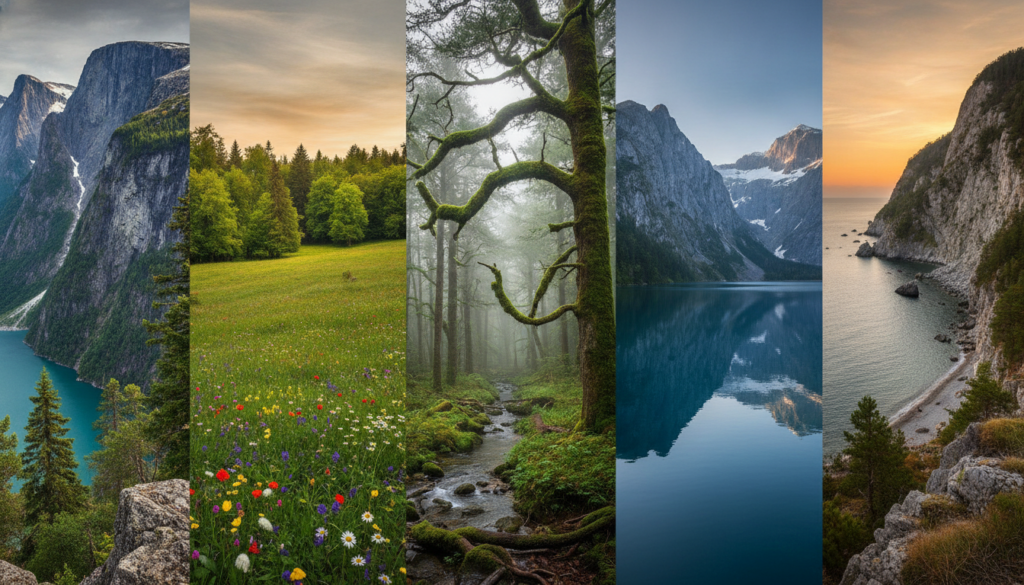

As the tapestry of European travel continues to evolve in 2026, many seasoned explorers are shifting their gaze beyond the continent’s iconic cities towards its breathtaking natural sanctuaries. Northern and Central Europe, in particular, boast a collection of national parks that offer a profound connection with unparalleled wilderness, rich biodiversity, and deeply rooted cultural narratives. From the dramatic fjords of Norway to the crystalline lakes of Croatia and the ancient forests of Germany, these protected landscapes invite a methodical exploration, promising experiences far removed from the urban bustle. Delving into these natural havens reveals not just stunning vistas, but also unique ecological systems, a wealth of outdoor activities, and insights into the historical and cultural heart of these diverse regions. This journey through select national parks unveils their distinctive charm, providing a guide for those eager to discover the raw, untamed beauty that defines this part of Europe.
Exploring Northern Europe’s Majestic National Parks
Northern Europe presents a canvas of rugged mountains, vast ice caps, and ancient forests, where nature reigns supreme. These national parks offer a gateway to adventures that range from strenuous mountain climbs to serene boat cruises, each providing a unique perspective on the region’s formidable beauty.
Norway’s Jotunheimen National Park: Realm of Giants
Jotunheimen National Park, aptly named the “Home of the Giants,” stands as a testament to Norway’s legendary natural splendor. Spanning approximately 444 square miles, it encompasses over 250 towering peaks, including Northern Europe’s two highest, Galdhøpiggen and Glittertind. This park is a majestic playground for hikers and bikers, featuring trails from gentle day walks to challenging multi-day treks.
One of the most stunning experiences is traversing the Besseggen Ridge, a famous hike that offers breathtaking views between a vibrant green lake and a deep blue one. Visitors can also embark on summit hikes or even a glacier trek for an unforgettable adventure. A tranquil cruise on Gjende Lake complements the Besseggen Ridge hike beautifully, offering a different vantage point of the peaks and the chance to spot reindeer. Jotunheimen truly offers year-round allure, catering to preferences for either summer activities or winter sports like dog sledding and ski touring.
Iceland’s Unique Landscapes: Vatnajökull and Thingvellir National Parks
Iceland, a land sculpted by fire and ice, hosts national parks that are nothing short of otherworldly. Vatnajökull National Park, home to Europe’s second-largest ice cap, is a fascinating fusion of glaciers and active volcanoes. Eruptions over centuries have carved pockets of water beneath the ice, creating a dynamic, ever-changing landscape. Visitors can explore Skaftafell, an area within the park featuring Svartifoss waterfall, where water tumbles over dramatic black basalt columns.
Nearby, the Jökulsárlón Glacier Lagoon captivates with countless icebergs floating majestically, often seen alongside the black sands of Diamond Beach. Adventures here include snowmobiling across glaciers and hunting for elusive ice caves. While accessible year-round, avoiding the unpredictable and harsh winter months is often recommended for most visitors.
Equally compelling is Thingvellir National Park, a UNESCO World Heritage Site just an hour from Reykjavik. Its geological significance is immense, as it sits directly on the Mid-Atlantic Ridge where the Eurasian and North American tectonic plates visibly diverge. This geological marvel makes for unique experiences like snorkeling or diving in the Silfra fissure, a crystal-clear rift between continents. Beyond its geology, Thingvellir holds a pivotal place in Iceland’s history as the birthplace of its democracy, with annual parliament meetings (Althing) held there since 930 AD. The park is open throughout the year, each season offering a distinct visual experience, from snow-covered vistas to vibrant summer greens.
Finland’s Wilderness and Light: Oulanka National Park
In the northeast of Finland, bordering Russia, lies Oulanka National Park, a land of enchanting rivers and dense forests. This unique park is a haven for wildlife enthusiasts, offering glimpses of bears and rare wildflowers during the warmer months. Come winter, it transforms into a frozen wonderland, perfect for cross-country skiing and snowshoeing across frozen lakes and through silent, snow-laden forests.
Oulanka is particularly famous for its extensive hiking trails, including the renowned Karhunkierros Trail, which stretches approximately 50 miles. During summer, the park’s rapids become a thrilling playground for whitewater rafting, with tours often passing the picturesque Myllykoski Mill. The remote, dark skies surrounding Oulanka also make it an exceptional spot for witnessing the mesmerizing Northern Lights during the long winter nights, offering a truly magical experience.
Britain’s Iconic Natural Heritage: Lake District and Peak District National Parks
England boasts some of Europe’s most cherished national parks, each with its own distinct character and allure.
The Lake District National Park, nestled in Cumbria, is renowned for its rugged fell mountains, glistening glacial ribbon lakes, and charming traditional villages. A quintessential experience involves hiking to Scafell Pike, the UK’s highest peak, followed by a well-deserved visit to a traditional English pub. For the adventurous, wild swimming in the icy waters of Coniston Waters or Derwent Water offers a unique perspective of the surrounding landscapes, complemented by opportunities for kayaking, sailing, or paddleboarding. Quaint villages like Ambleside and Grasmere, once home to poets like William Wordsworth, provide a more relaxed pace, allowing visitors to admire grey slate buildings and cobbled streets. The summer months, typically June to August, offer the best chance for sunshine, though a five-day visit is often recommended to fully immerse oneself in its beauty.
To the south, the Peak District National Park, Britain’s largest, spans 550 square miles of incredibly diverse landscapes, divided into the White Peaks and the Dark Peaks. This park caters to all interests—from hiking and climbing to history exploration and visiting quaint English towns. Iconic activities include hiking Kinder Scout for panoramic valley views, climbing at Stanage Edge, or driving through the breathtaking Winnats Pass. Historical sites like Chatsworth House offer a step back in time, while towns like Bakewell tempt with their famous tarts. The ideal time to visit is early September when the heather transforms the moorlands into a sea of purple, and the weather remains mild, coupled with fewer crowds post-school holidays.
Scotland’s Cairngorms National Park: Highlands and History
Cairngorms National Park, situated in northern Scotland, perfectly encapsulates the country’s famed mountainous terrain, evoking a fairytale-like atmosphere. It is an excellent choice for those seeking to immerse themselves in the Scottish Highlands.
Beyond its natural grandeur, the park is rich in history. Balmoral Castle, the King’s summer residence, opens its grounds to visitors from fall through spring, allowing exploration with a map. For a more intimate historical experience, Braemar Castle offers a glimpse into traditional Scottish life, and combined tickets can provide savings. The park is a hiker’s paradise, with popular trails like the five-mile Meall a’ Bhuachaille offering impeccable views, and easier options around Loch Morlich. A visit to one of the many local distilleries, such as Royal Lochnagar, Glenlivet, or Tamnavulin, provides a taste of Scotland’s renowned whisky heritage. While summer is popular, spring offers a more serene experience with vibrant colors and smaller crowds as the park awakens.
Discovering Central Europe’s Diverse National Park Landscapes
Central Europe presents a fascinating blend of dramatic rock formations, lush forests, and serene lakes, often steeped in centuries of history and culture. These parks showcase the continent’s remarkable ecological and geological diversity.
Germany’s Enchanting Formations: Saxon Switzerland and Bavarian Forest National Parks
Saxon Switzerland National Park, though its name evokes distant peaks, is entirely within Germany’s borders, southeast of Dresden. It is celebrated for its stunning sandstone cliffs and unique eroded rock formations, forming a scenic landscape of mountains, valleys, and gorges. The park is a mecca for hikers, with numerous marked trails for all levels, and over 700 peaks challenging rock climbers.
Its most famous attraction is the dramatic Bastei Bridge, an impressive structure built across the Bastei rock formation, offering panoramic views. Entry to both the bridge and the park is free, making it an accessible natural wonder. Hiking is best enjoyed from late spring to early fall, when pleasant weather coincides with fewer crowds.
The Bavarian Forest National Park, Germany’s first national park established in 1970, shares a border with the Czech Republic, forming part of Central Europe’s largest forested area. This expansive park is a sanctuary for diverse flora and fauna, including rare mammals like the Eurasian lynx and various bird species. Over 217 miles of well-marked trails invite visitors to explore its ancient forests. Wildlife spotting is a popular activity, often enhanced by guided tours, some specifically designed for children, focusing on native species like wolves. The park also offers educational programs, lectures, and workshops, enriching the visitor experience beyond mere hiking.
Poland’s Alpine Charm: Tatra and Karkonosze National Parks
The shared border between Poland and Slovakia is home to Tatra National Park, a destination lauded for its epic mountain hikes, world-class skiing, and strikingly beautiful glacial lakes. The Polish town of Zakopane serves as an excellent base, providing easy access via cable car to the mountain tops for breathtaking views. Hiking is the primary summer activity, with iconic routes leading to Morskie Oko and Štrbské Pleso, two of the region’s most scenic lakes. In winter, the Tatra Mountains transform into a skiing paradise, known for being one of Europe’s more affordable ski destinations. For those seeking relaxation, numerous thermal pools are scattered across the park, offering a soothing respite. September is often cited as the optimal time for hiking, balancing pleasant temperatures with pre-snow conditions.
Further west, along the Polish-Czech border, Karkonosze National Park is recognized as a UNESCO biosphere reserve for its exceptional beauty and biodiversity. The town of Karpacz provides a perfect base for exploring, offering excellent accommodation and traditional Polish taverns. A highlight is climbing Sniezka Mountain, the highest peak in the Sudety Mountains, which offers various trails of differing difficulty, all winding through stunning scenery. The park is also home to beautiful waterfalls, including Kamienczyk, its longest and most impressive. For panoramic views without the strenuous hike, chairlifts ascend Mount Szrenica or Mount Kopa. An architectural gem not to be missed is the Wang Church in Karpacz, a 12th-century Norwegian Stave church relocated to these mountains. The mild weather of May to June and September to October makes these months ideal for visits, avoiding peak crowds.
Slovenia’s Pristine Alpine Beauty: Triglav National Park
Triglav National Park, Slovenia’s sole national park, lies in the northwestern Julian Alps, bordering Italy and Austria. It is a land of dramatic peaks and lush valleys, offering countless activities for both adrenaline junkies and those seeking tranquility. The Soca River, famed for its crystal-clear emerald waters, is a must-see, inviting visitors to kayak or stand-up paddleboard while admiring the stunning nature along its banks. Other natural wonders include the Savica waterfall and Lake Bohinj, a beautiful alpine lake perfect for hiking, kayaking, and swimming, with a scenic trail encircling it. One of the most picturesque spots is the Seven Lakes Valley, accessible via a beautiful hike that can be a day trip or part of a multi-day backpacking adventure. To fully experience this gem, a stay of at least 2-3 days is recommended, perhaps in one of the charming mountain huts. The period from May to October is best, with July and August being the sunniest months, ideal for enjoying the lakes.
The Netherlands’ Green Heart: De Hoge Veluwe National Park
National Park De Hoge Veluwe, located in the mideast of the Netherlands, is considered one of the country’s most beautiful nature areas. It features a diverse landscape of forests, heathlands, grass plains, and unique drifting sands. A distinctive element of the park is the availability of free white bikes, providing an ideal way to explore its extensive network of biking lanes. Beyond its natural beauty, the park seamlessly blends culture, housing the Kröller-Müller Museum, which boasts the world’s second-largest Van Gogh collection, alongside numerous outdoor art sculptures. Visitors can also embark on guided safaris to spot the “big four” — red deer, mouflon, deer, and wild boar — or delve into the Museonder, a nature museum located beneath the park. While beautiful year-round, August and September are prime for witnessing the heathland bloom purple, while September and October offer the spectacle of red deer in rut.
Montenegro’s Rugged Grandeur: Durmitor and Lovcen National Parks
Montenegro, a land of wild beauty, offers two captivating national parks that highlight its dramatic landscapes and rich heritage.
Durmitor National Park, in the northwestern mountains, is a “must-see” for nature lovers. It features the dizzying depths of the Tara Canyon gorge and 17 pristine glacier lakes, surrounded by 23 mountain peaks. Activities abound, including hiking Montenegro’s highest peak, rafting on the Tara River, or strolling around Black Lake. Thrill-seekers can zipline across Tara Canyon or paraglide near Savin Kuk. The town of Žabljak serves as an ideal base. The warmer months, from mid-April through mid-October, are best for hiking and rafting, while winter opens up opportunities for skiing and snowboarding on its majestic slopes.
Lovcen National Park, named after the “black mountain” that gave Montenegro its name, is crucial for both its natural beauty and its historical and cultural significance. It is a fantastic day trip from Kotor, showcasing the country’s inland charm. The lower of Lovcen’s two peaks hosts the final resting place of Petar II Petrović-Njegoš, a pivotal figure in Montenegrin history, whose monument offers stunning panoramic views. The park also includes the village of Njeguši, Njegoš’s birthplace, where visitors can taste local specialties like cheese and ham. Hiking and biking trails crisscross the park, offering diverse flora and fauna. Fall is particularly scenic for hiking, with vibrant leaf colors. The drive from Kotor to the park via the Kotor Serpentine is an adventure in itself, providing exceptional views over the Bay of Kotor. Lovcen National Park is accessible year-round, with May through October being optimal for exploration, while winter often brings a picturesque, snow-covered landscape.
Croatia’s Aquatic Sanctuaries: Plitvice Lakes and Krka National Parks
Croatia’s national parks are celebrated for their breathtaking waterfalls and shimmering lakes, offering some of Europe’s most visually stunning natural attractions.
Plitvice Lakes National Park is a jewel, a chain of sixteen terraced lakes interconnected by a multitude of cascades, large and small. Boardwalk trails wind along the banks and over the water, guiding visitors through this natural wonder. The park is divided into Upper and Lower Lakes, with the entrance fee including a serene boat ride on Lake Kozjak. Veliki Slap, the tallest waterfall, is a highlight, allowing visitors to feel the powerful rush of water, especially vibrant in spring. While swimming is prohibited to preserve its pristine condition, the park teems with wildlife, encouraging keen observation. Visiting in spring or fall helps avoid the summer crowds, with spring offering powerful waterfalls and vibrant greenery, and fall bringing beautiful leaf colors. It makes for an excellent day trip from cities like Zagreb, Zadar, or Split, though an overnight stay near the park is often recommended to fully absorb its beauty.
Krka National Park, another of Croatia’s stunning reserves, is famous for its series of cascading waterfalls on a rushing river, alongside several historic points of interest. The loop around Skradinski Buk, the park’s most impressive section, is a must-do activity, taking approximately 90 minutes. Wooden walkways elevate visitors above the gushing waters, providing a truly memorable experience amidst the various waterfalls. The area also features a historic water mill, small souvenir shops, and food vendors during summer. A 45-minute drive north leads to the Roski Slap viewpoint within a small village, where a circular trail includes wooden bridges over the river’s “necklaces.” The charming town of Skradin, southwest of the park, is also worth a visit. Krka National Park is open year-round, making it a popular day trip from Split, Zadar, or Sibenik. Off-season visits offer greater solitude, though some activities may be limited.
Wales’ Dramatic Peaks and Valleys: Snowdonia National Park
Snowdonia National Park, Wales’ inaugural national park, is celebrated for its dramatic lakes, imposing mountains, and abundant waterfalls. Aber Falls, accessible via a relatively easy walk, provides excellent views and a scenic hike amidst bluebells. The park is predominantly known as the home of Snowdon, Wales’ highest mountain, which can be summited via seven different paths. The Llanberis Path is popular for its ease, while the Miners Track offers a heart-shaped lake en route. Dolgoch Falls presents another beautiful set of cascades, with its lower falls easily reached and the upper ones requiring a steeper climb. Beyond hiking, visitors can enjoy the Snowdon Mountain Railway and explore the National Slate Museum. The region is also rich in history, featuring medieval fortifications built by Edward I, such as Harlech Castle and Conwy Castle, from which breathtaking views of Snowdonia can be admired.
Planning Your European National Park Adventure: Key Considerations
Embarking on a journey through Northern and Central Europe’s national parks requires thoughtful preparation to ensure a rewarding experience. Understanding the nuances of each season and how to navigate these diverse environments is crucial for maximizing enjoyment and minimizing unforeseen challenges.
Navigating Seasonal Changes for Optimal Visits
The timing of your visit significantly impacts the experience offered by these European national parks. Spring (typically April to June) is a period of renewal, with wildflowers blooming, waterfalls at their most powerful, and moderate temperatures. It’s an excellent time to avoid the peak summer crowds while enjoying vibrant landscapes. Summer (July to August) brings the warmest weather, ideal for water sports and high-altitude hiking, but also the largest influx of tourists, necessitating advance bookings for accommodation and popular activities. Fall (September to October) offers a spectacular display of leaf colors, milder temperatures, and fewer crowds, making it perfect for hiking and scenic drives. Winter (November to March) transforms many parks into snow-covered wonderlands, offering opportunities for skiing, snowshoeing, and witnessing phenomena like the Northern Lights. However, some roads and facilities may be closed, and weather conditions can be harsh and unpredictable, requiring careful planning and appropriate gear.
Maximizing Your Experience in Europe’s Natural Havens
To truly immerse yourself in the beauty of Northern and Central Europe’s national parks, preparedness is key. Comfortable, sturdy hiking shoes with good grip are essential, regardless of the season, as trails can be uneven or wet. Layered clothing is advisable to adapt to changing weather conditions, even during summer. For popular parks and peak seasons, booking accommodation, guided tours, and even park entry tickets well in advance is highly recommended to secure your spot and avoid disappointment. Many parks are accessible by public transport, offering an eco-friendly way to explore, but renting a car often provides greater flexibility to reach remote areas. Always respect local rules, especially concerning wildlife and protected areas, and practice “leave no trace” principles to preserve these invaluable ecosystems for future generations. Engaging with local communities, trying regional cuisine, and visiting smaller villages can also enrich your trip, offering cultural insights alongside natural exploration.
When preparing for your adventure into Northern and Central Europe’s national parks, a thoughtful packing list can make all the difference. Here are some essential items:
- Waterproof and windproof outerwear, regardless of the season
- Comfortable, broken-in hiking boots with good ankle support
- Layered clothing system (base, mid, and outer layers)
- First-aid kit with any personal medications
- Reusable water bottle and snacks
- Map and compass or GPS device (and know how to use them)
- Sunscreen, sunglasses, and a hat
- Power bank for electronic devices
- Binoculars for wildlife spotting
- Backpack with rain cover
- Headlamp or flashlight for early mornings or late evenings
- Swimsuit if visiting parks with lakes or thermal baths
Which national parks in Northern and Central Europe are best for hiking enthusiasts?
Hiking enthusiasts will find incredible trails in Jotunheimen National Park in Norway, known for its challenging peaks and ridges like Besseggen. Slovenia’s Triglav National Park offers diverse alpine treks including the Seven Lakes Valley. In Germany, Saxon Switzerland National Park provides unique sandstone cliff hikes, while Poland’s Tatra National Park boasts alpine routes to Morskie Oko and Sniezka Mountain. For a more rugged experience, Scotland’s Cairngorms and Wales’ Snowdonia offer extensive mountain trails.
Are there national parks in Northern and Central Europe that are suitable for family visits?
Absolutely. The Netherlands’ De Hoge Veluwe National Park is excellent for families, offering free white bikes and wildlife safaris. England’s Lake District provides gentle walks and boat trips, alongside charming villages. Croatia’s Plitvice Lakes National Park, with its boardwalks and boat rides, is mesmerizing for all ages, though swimming is not permitted. Germany’s Bavarian Forest National Park also offers children-specific programs and easy walking trails.
What is the best time of year to visit Northern and Central European national parks to avoid crowds?
To avoid the largest crowds, consider visiting during the shoulder seasons. Spring (April-May) offers blooming flora and powerful waterfalls, while fall (September-October) provides stunning autumn foliage and crisp, mild weather. During these periods, you’ll generally find fewer tourists than in the peak summer months, allowing for a more serene experience, though popular spots may still draw visitors.
Can I experience unique cultural heritage within these national parks?
Many national parks in Northern and Central Europe are rich in cultural heritage. For instance, Iceland’s Thingvellir National Park is historically significant as the site of ancient parliamentary meetings. Montenegro’s Lovcen National Park encompasses the birthplace of a national hero, with villages offering local culinary traditions. England’s Lake District is intertwined with literary history, particularly William Wordsworth. Exploring the traditional mills in Finland’s Oulanka or the unique Wang Church in Poland’s Karkonosze also offers cultural insights.
Are there options for winter activities in these national parks?
Yes, many national parks in Northern and Central Europe transform into winter sports hubs. Jotunheimen National Park in Norway and Tatra National Park in Poland are renowned for skiing, snowshoeing, and other snow activities. Finland’s Oulanka National Park offers cross-country skiing and snowshoeing, along with opportunities to witness the Northern Lights. Montenegro’s Durmitor National Park is also popular for skiing and snowboarding on its majestic mountain slopes.