
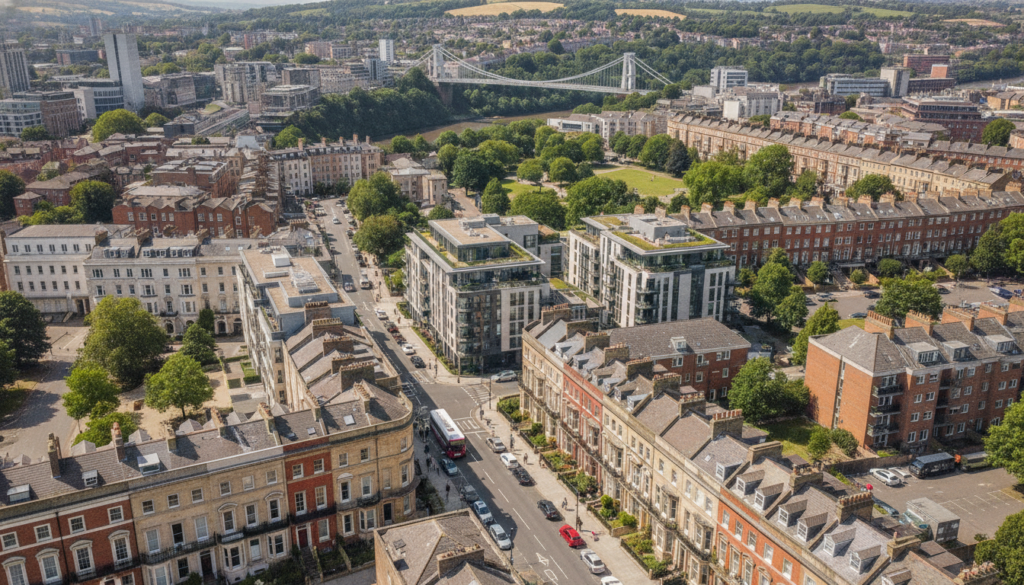

Bristol, a city celebrated for its maritime heritage and vibrant contemporary culture, has long captured the imagination of those seeking a dynamic place to live. Today, its real estate market mirrors this distinct character, offering a landscape unlike any other in the United Kingdom. For both prospective buyers and renters, navigating Bristol means understanding a unique interplay of economic strength, architectural legacy, and an unwavering commitment to sustainable living. This isn’t merely another urban hub; it’s a city where historic charm meets cutting-edge innovation, creating specific demands and opportunities within its property sectors. Unpacking these factors is essential for anyone looking to make Bristol their home or a shrewd investment.
Bristol’s Economic Pulse: Fueling a Dynamic Property Market
Bristol’s robust economy serves as the bedrock of its distinctive real estate market. The city benefits from a diverse and resilient employment base, spanning cutting-edge aerospace, thriving tech firms, robust financial services, and a flourishing creative sector. Major employers, including global giants like Airbus and Rolls-Royce, alongside the prestigious University of Bristol, contribute significantly to a remarkably low unemployment rate of 3.4%. This sustained economic prosperity and stable job market continuously attract professionals and families alike, underpinning a strong and consistent demand for both residential and commercial properties.
The property market, while having settled into a more sustainable rhythm post-2022-2023 interest rate adjustments, remains fundamentally strong. The average property price stood at approximately £345,000 in 2025, reflecting an annual growth of 3.2% in 2024. Over the longer term, house prices have surged by 86% since 2007, showcasing remarkable resilience. For renters, the market is equally competitive, with average monthly rentals reaching £1,753 in September 2024, an increase of 4.6% year-on-year. Certain postcodes, such as BS1, offer attractive rental yields, making Bristol a compelling proposition for buy-to-let investors and those seeking stable long-term value. This sustained growth, driven by an influx of residents, often includes individuals who have been priced out of the London market but still seek a vibrant, well-connected city experience.
Why Connectivity and Education Drive Demand in Bristol’s Real Estate
The unique character of Bristol’s property market is further amplified by its strategic infrastructure and world-class educational institutions. The city boasts exceptional transport links, featuring two main train stations, Temple Meads and Bristol Parkway, which provide seamless connectivity to major UK cities like London, Birmingham, and Cardiff. An international airport further enhances its accessibility, solidifying Bristol’s position as a regional hub. Significant ongoing infrastructure developments, such as the Temple Quarter regeneration, promise to introduce new housing, enhance lifestyle amenities, and create additional job opportunities, further bolstering the city’s appeal to a broad demographic.
Beyond its transport network, Bristol’s reputation for educational excellence plays a pivotal role in shaping its rental market. The presence of the University of Bristol, recognized for its outstanding research, attracts a substantial student population exceeding 40,000. This consistent influx creates a robust demand for rental properties, particularly in sought-after areas such as Clifton, Redland, and Cotham. For investors, this translates into lucrative opportunities within the student housing sector, while for permanent residents, it underscores the dynamic and competitive nature of the city’s rental landscape.
Navigating Bristol’s Diverse Neighborhoods: A Guide for Every Lifestyle
Bristol’s geographical and architectural diversity translates into a rich tapestry of neighborhoods, each offering a distinct lifestyle and property profile. These localized differences are a key element of the city’s unique real estate identity, catering to a wide array of preferences and budgets. Understanding these nuances is paramount for anyone considering a move to the area.
In the inner-city, areas like Clifton, Redland, and Cotham remain perennially popular and have demonstrated remarkable resilience against broader market fluctuations. Here, well-maintained Victorian and Edwardian terraces command premium prices, often ranging from £500,000 to over £800,000, and tend to sell quickly when accurately valued. However, buyers in these historic districts are strongly advised to commission a Level 3 Building Survey, as these period properties frequently conceal significant deferred maintenance, which can entail substantial costs. South Bristol, encompassing areas such as Bedminster, Southville, and Windmill Hill, has witnessed considerable growth over the last decade. These neighborhoods have become attractive alternatives for buyers priced out of the northern districts, offering predominantly Victorian housing stock. While the survey findings here often echo those of Clifton, revealing common issues like damp, structural movement, and timber decay, property prices are generally lower, presenting more scope for renovation and value creation for those willing to invest.
Moving beyond the city center, South Gloucestershire, with locales like Bradley Stoke, Emersons Green, and Yate, appeals to buyers seeking more space and family-friendly environments. The new-build market here remains buoyant, providing manageable commute times into Bristol. Increasingly, buyers in these areas are commissioning independent snagging and survey reports on newer properties, highlighting a growing awareness of potential build quality issues in some developments. To the west, North Somerset, including Portishead, Clevedon, and Nailsea, offers significantly better value than Bristol itself. Portishead, in particular, maintains strong demand due to its reputable schools, appealing coastal atmosphere, and convenient motorway access, making it a favored choice for families and commuters prioritizing a blend of urban accessibility and a more tranquil setting.
Key Trends Shaping Bristol’s Property Landscape for 2026
The Bristol property market, while resilient, is not static; it is continually evolving in response to broader societal shifts and regulatory changes. Several key trends are particularly influential as we move further into 2026, shaping how properties are valued, sold, and maintained across the city. These emerging dynamics offer unique insights for anyone looking to engage with Bristol’s real estate.
One of the most significant shifts is the escalating importance of Energy Performance Certificate (EPC) ratings. With an increasing societal focus on energy efficiency and the prospect of future regulations mandating minimum EPC standards, buyers are scrutinizing energy performance more closely than ever. Period properties, often characterized by poor insulation and single-glazed windows, are prompting more detailed inquiries. Sellers who proactively invest in energy-saving improvements before listing their homes are increasingly likely to see a better return, as energy efficiency translates directly into lower running costs and enhanced long-term appeal for prospective owners. This trend highlights a growing environmental consciousness interwoven with financial pragmatism in property decisions.
Furthermore, there has been a noticeable rise in the number of buyers commissioning detailed property surveys. This positive development, particularly among first-time buyers, indicates a more cautious and informed approach to property acquisition. It reflects both a heightened awareness, fostered by accessible online resources, and a sensible response to the financial pressures of the current economic climate. This increased diligence provides buyers with crucial leverage. In conjunction with this, sellers are demonstrating a greater willingness to negotiate. The era of “take it or leave it” offers, prevalent in previous booming periods, has largely subsided across most segments of the Bristol market. If a professional survey identifies significant remedial work, buyers are finding they have more scope to negotiate on price, often with successful outcomes. This shift empowers buyers and underscores the value of independent, expert assessments.
Sustainable Living: A Growing Priority for Bristolian Homes
Bristol’s pioneering spirit extends to its commitment to sustainable living, a factor that increasingly distinguishes its real estate market. Having been recognized as a European Green Capital, the city is actively pursuing ambitious targets to become a zero-carbon urban environment. This commitment is translating into tangible developments and growing preferences within the property sector. There is a palpable demand for eco-friendly homes equipped with innovative technologies designed to reduce carbon footprints and energy consumption. Projects such as the Bristol City Leap, which focuses on sustainable energy and enhancing public amenities, are not merely environmental initiatives but also powerful drivers of property value. These efforts attract a distinct segment of environmentally conscious buyers and renters who prioritize homes aligned with their values, adding a unique, green dimension to Bristol’s property landscape.
Smart Moves for Buyers and Renters in Bristol’s Unique Environment
Navigating Bristol’s distinctive real estate market requires a strategic and informed approach, whether you are looking to purchase a home or secure a rental property. The interplay of high demand, diverse neighborhoods, and evolving market trends means that proactive steps can significantly enhance your experience and outcomes.
For those embarking on the journey to buy a property in Bristol, a few crucial pieces of advice stand out:
- Prioritize a Comprehensive Survey: Do not skip the property survey. With prices remaining high, the financial stakes are too significant to proceed without a thorough understanding of the property’s condition. For most period homes in Bristol, a Level 3 Building Survey is the most appropriate choice, uncovering potential issues that could lead to substantial costs down the line.
- Understand Market Value: Always seek an independent valuation if you are uncertain whether the asking price is fair. Market dynamics can vary significantly between micro-neighborhoods, and an expert assessment provides critical reassurance or a basis for negotiation.
- Leverage Survey Findings: A detailed survey report is a powerful tool in negotiations. Should it identify significant remedial work, use this information to negotiate a more favorable price or to ensure necessary repairs are addressed before completion.
- Factor in Energy Costs: For older properties, diligently factor in heating and insulation costs. These can add meaningfully to monthly outgoings, even if the purchase price seems attractive. Energy efficiency is not just an environmental concern but a financial one.
Renters, too, must employ strategic thinking. Understanding the fierce competition for properties, especially in popular areas, means being prepared to act swiftly and having all necessary documentation ready. Researching specific neighborhoods for their rental affordability versus amenities is crucial. Moreover, always ensure you understand the terms of your tenancy agreement thoroughly, protecting your rights and obligations within Bristol’s competitive rental scene.
Looking Ahead: Bristol’s Future Property Outlook and Sustainable Growth
Bristol’s property market consistently demonstrates strong long-term fundamentals, making it a compelling prospect for both residents and investors. While short-term fluctuations are inherent in any market, the city’s underlying strengths continue to provide a solid foundation for future growth. For those purchasing a home for primary residence rather than a quick investment, the most critical consideration remains whether the property genuinely suits their needs, is fairly priced, and its condition is fully understood.
The city’s future prospects are bolstered by ambitious urban regeneration projects, such as the transformative redevelopment of the old Filton Airfield into a vibrant new suburb complete with homes, shops, and a concert venue. These large-scale initiatives are poised to significantly boost property values in surrounding areas and introduce new, modern living options. Continued infrastructure investments, particularly in transport facilities, are expected to further enhance connectivity and attract an even broader demographic of residents and businesses. Furthermore, Bristol’s steadfast commitment to sustainability, manifest in eco-friendly housing developments and green initiatives, will continue to differentiate its market, attracting those seeking a lifestyle aligned with environmental consciousness. These factors collectively affirm Bristol’s position as a distinctive and enduring player in the UK’s property landscape, promising sustained demand and continued vibrancy for years to come.
Is Bristol’s property market still growing in 2026?
Yes, Bristol remains one of the UK’s most resilient property markets. While frantic bidding wars have subsided, the combination of a strong employment base, excellent universities, and high quality of life continues to drive sustained demand and growth, albeit at a more sustainable pace.
Which Bristol neighborhoods offer the best value for money?
Value is relative to individual preferences. South Bristol areas like Bedminster, Totterdown, and St Anne’s offer character Victorian terraces at more accessible prices. For new-builds and greater space, South Gloucestershire (e.g., Bradley Stoke, Yate) and North Somerset (e.g., Portishead) provide strong options, though local knowledge is key to understanding trade-offs.
Why are EPC ratings becoming more important for buyers in Bristol?
With increasing focus on energy efficiency and potential future regulations, buyers are paying closer attention to EPC ratings. Properties with better energy performance are more attractive, as they promise lower utility bills and are aligned with Bristol’s commitment to becoming a zero-carbon city. Investing in energy improvements can enhance a property’s appeal and return for sellers.
Should first-time buyers in Bristol always get a property survey?
Absolutely. For most Bristol period properties, a Level 3 Building Survey is highly recommended. Despite softened prices, the stakes are high, and surveys uncover potential hidden issues like damp or structural movement, which can be crucial for negotiation and long-term financial planning.