
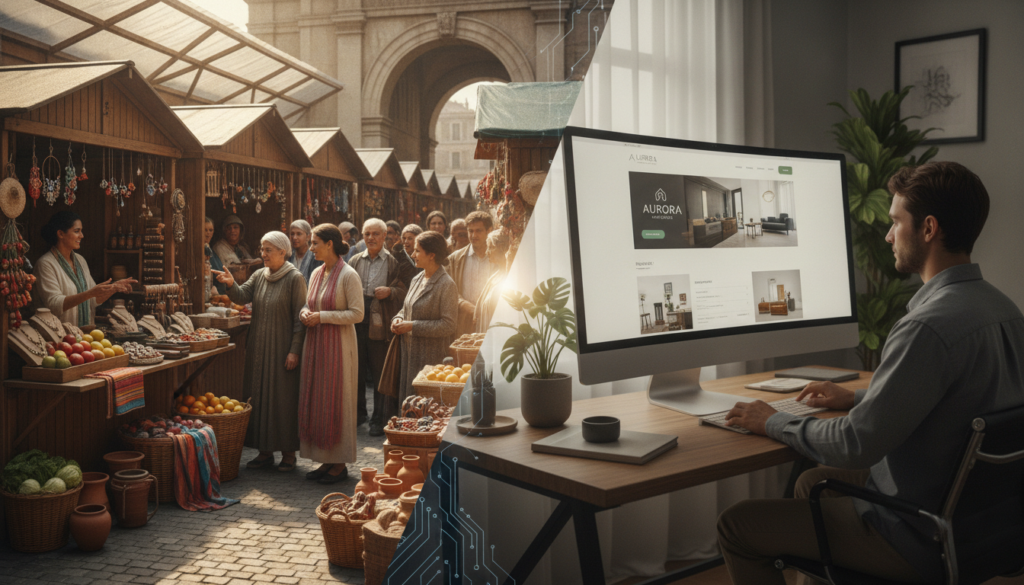

In the dynamic landscape of 2026, businesses seeking to establish or expand their online presence confront a pivotal decision: should they cultivate their own independent online store or leverage the expansive reach of established online marketplaces? This choice extends far beyond a mere platform selection; it profoundly influences brand identity, operational autonomy, customer engagement, and ultimately, long-term profitability. While the prospect of immediate exposure on a marketplace can be tempting, the allure of complete brand control through a dedicated e-commerce site offers unparalleled strategic advantages. Navigating this complex dichotomy requires a methodical understanding of each model’s nuances, recognizing that the optimal path often depends on a business’s unique goals, resources, and target audience. A nuanced exploration reveals that consumer habits are fragmenting, with some prioritizing swift transactions on generalist platforms, while others actively seek discovery and connection on niche marketplaces or directly through brand sites. This evolving digital ecosystem demands a deliberate approach, moving beyond a simple either/or proposition toward a more integrated, strategic outlook.
Understanding the Core Concepts: Online Stores and Marketplaces
At its foundation, online selling bifurcates into two principal models: the independent online store and the online marketplace. An independent online store functions as a brand’s direct digital storefront, where the seller assumes full responsibility for everything from website design and product presentation to customer service and order fulfillment. This model offers unparalleled autonomy, allowing businesses to sculpt their brand narrative and user experience precisely as they envision. Conversely, an online marketplace operates as a shared digital arena where multiple sellers converge to offer their products or services. Platforms like Amazon, eBay, or Etsy exemplify this model, providing a ready-made infrastructure, built-in audience, and often managed logistics, which can simplify the entry into e-commerce for many.
The distinction is critical for sellers because it dictates the level of control, the operational investment required, and the nature of customer interaction. Understanding these fundamental differences is the first step in charting a successful course in the competitive online retail environment, ensuring that strategic decisions are built upon a clear comprehension of each platform’s inherent characteristics.
Key Distinctions for Sellers: Control, Costs, and Customer Engagement
The operational reality for sellers varies significantly between an independent online store and a marketplace, impacting fundamental aspects of business. These distinctions revolve around three core pillars: brand control, financial investment, and the nature of customer relationships.
Ownership and Brand Control: Crafting Your Digital Identity
An independent online store grants sellers complete sovereignty over their digital presence. Every element, from the visual aesthetics and user interface to the navigation flow and product descriptions, can be meticulously customized to reflect a brand’s unique identity and values. This allows for a cohesive and immersive brand experience, fostering stronger recognition and emotional connection with customers. In contrast, marketplaces impose a standardized framework; sellers operate within the platform’s established design and operational guidelines. While this ensures consistency across the marketplace, it limits the scope for individual brand expression, often reducing a seller’s offerings to just another listing alongside numerous competitors, sometimes even the marketplace’s own products.
Operational Investments: Upfront vs. Transactional Costs
Launching and maintaining an independent online store typically demands a more significant upfront investment of resources and time. This encompasses everything from website development, software licenses, and security certificates to ongoing maintenance, inventory management, and marketing efforts aimed at attracting traffic. While platforms like Wix or Shopify streamline much of this process, there are still associated costs for domain names and subscription plans. Marketplaces, on the other hand, often present a lower barrier to entry regarding initial setup. They absorb many infrastructural costs, but sellers then incur transaction fees, listing fees, or monthly subscriptions, which vary by platform and product category. These transactional costs can accumulate, affecting profit margins over time, especially when coupled with competitive pricing pressures inherent to a multi-seller environment.
Direct Customer Relationships vs. Platform-Mediated Interactions
One of the most profound differences lies in customer engagement. With an independent online store, sellers own the customer data, allowing for direct, personalized communication, targeted marketing campaigns, and the cultivation of strong, loyal customer relationships. This direct feedback loop enables businesses to refine their offerings and enhance the customer journey continuously. On a marketplace, the relationship between seller and buyer is largely mediated by the platform. Marketplaces often manage customer service, return policies, and payment processing, which can simplify operations for sellers but distances them from direct customer interaction. This indirect relationship often means limited access to valuable customer data, hindering personalized marketing efforts and making it challenging to build a distinct brand following independent of the marketplace itself.
The Strategic Advantages of an Independent Online Store
For many businesses, the appeal of an independent online store lies in its capacity to build a lasting brand legacy and cultivate a truly unique market position. This strategic advantage is particularly potent in an increasingly crowded digital space.
Building a Unique Brand Experience and Customer Loyalty
An independent online store offers the ultimate canvas for brand expression. Sellers can meticulously design their website to reflect their brand’s ethos, integrate bespoke functionalities, and curate a distinctive shopping experience that resonates deeply with their target audience. This level of customization allows for implementing sophisticated cross-sell and upsell strategies that are fully controlled by the seller, tailoring recommendations to individual customer behaviors. Moreover, direct engagement fosters a more personalized form of customer service, strengthening bonds and encouraging repeat business. For example, a small artisan jewelry business can imbue its online store with storytelling, bespoke imagery, and a seamless journey from discovery to purchase, creating an emotional connection that fosters unwavering customer loyalty.
Data-Driven Insights and Marketing Autonomy
Owning an online store provides sellers with direct access to invaluable customer data, including browsing patterns, purchase history, and cart abandonment rates. This wealth of information empowers businesses to conduct sophisticated behavior analysis, allowing for highly targeted marketing campaigns, product development based on real demand, and optimized user experiences. Without the restrictions imposed by marketplace algorithms, sellers have complete autonomy over their marketing strategies, enabling them to experiment with various channels—from SEO and content marketing to social media and email campaigns—to drive traffic directly to their branded storefront. This data-driven approach is crucial for sustained growth and agile adaptation to market changes in 2026.
Leveraging the Power of Online Marketplaces
While independent stores offer profound control, online marketplaces present a compelling case for their inherent advantages, particularly concerning reach and operational simplicity.
Accessing Vast Audiences and Immediate Exposure
One of the most significant benefits of selling on a marketplace is the immediate access to an enormous, built-in customer base. Platforms like Amazon and eBay boast billions of users globally, effectively solving the crucial challenge of traffic generation that independent stores must tackle from scratch. For new businesses or those looking to test a product without a substantial marketing budget, marketplaces offer a fast track to visibility. Products can potentially reach millions of potential buyers almost instantly, providing a powerful launchpad for sales and brand exposure, albeit within the marketplace’s branding constraints.
Streamlined Operations and Reduced Entry Barriers
Marketplaces significantly lower the entry barrier to e-commerce. They typically provide user-friendly tools for listing products, managing inventory (sometimes with fulfillment options like Amazon FBA), and processing payments. Many even offer warehousing, logistics, and shipping services, freeing sellers from these complex administrative burdens. This operational simplification allows businesses, especially small and medium-sized ones, to focus more on product development and less on the intricacies of website maintenance and order fulfillment. The ease of setup and reduced need for specialized technical teams make marketplaces an attractive option for rapid deployment.
The Rise of Niche Marketplaces: Targeted Opportunities
Beyond the generalist giants, 2026 sees a growing prominence of specialized marketplaces. These platforms cater to specific communities and product categories—think Etsy for handmade goods, or niche sites for vintage items, sustainable products, or unique electronics. These marketplaces attract buyers with highly specific interests, leading to a more engaged and less price-sensitive audience. While traffic volume might be lower than on generalist platforms, the conversion rates can be significantly higher due to strong buyer intent and a sense of community. For independent or new brands, specialized marketplaces offer a powerful way to connect with premium, loyal customers who are actively seeking what they offer, providing opportunities for thoughtful design and more customized seller profiles.
Consumer Behavior in 2026: Guiding Your Platform Choice
The contemporary consumer journey is multifaceted, shaped by varying intentions and product types. Understanding these nuances in 2026 is paramount for any seller deciding between, or combining, online stores and marketplaces.
A significant segment of online shoppers utilizes generalist marketplaces like Amazon for quick, transactional purchases of known commodities. This “search, pay, and run” mentality prioritizes convenience and competitive pricing. However, a growing trend indicates consumers are also seeking discovery and unique brand interactions, often leading them to independent online stores or specialized marketplaces. When searching for artisanal crafts, unique gifts, or products from values-driven brands, shoppers are more inclined to invest time in exploring dedicated brand websites or niche platforms where product stories and brand values are paramount. The choice of where a consumer begins their search—be it a direct Google query leading to a brand’s site or an immediate jump to a marketplace—is increasingly influenced by their underlying buying intent.
Beyond Either/Or: Embracing an Omnichannel Approach
In the complex digital ecosystem of 2026, the question is increasingly shifting from “which one?” to “how can I leverage both?” An omnichannel strategy, integrating both an independent online store and a presence on key marketplaces, is proving to be a powerful approach for many.
The Strength of a Multi-Channel Selling Strategy
Adopting a multi-channel or omnichannel strategy allows sellers to harness the unique strengths of both online stores and marketplaces. An independent store serves as the brand’s headquarters, fostering deep customer loyalty and brand identity, while marketplaces provide expansive reach, particularly for customer acquisition and quick sales. This approach diversifies revenue streams and reduces reliance on a single platform, effectively mitigating risks associated with algorithm changes or policy shifts on any one channel. For instance, a brand might use Amazon for volume sales of popular items and its own website for exclusive launches, premium products, or direct engagement with its most loyal customer base.
Seamless Integration: Tools for Managing Your Ecosystem
Managing product information across multiple platforms might seem daunting, but modern technological solutions make it feasible. Product Information Management (PIM) systems, for example, are becoming indispensable tools for centralizing all product data—descriptions, images, specifications, pricing—and seamlessly exporting it to various storefronts, be it Wix, Shopify, Magento, or major marketplaces. This ensures consistency and accuracy across all channels, reducing manual effort and potential errors. By utilizing such integration tools, businesses can maintain a coherent brand message and product catalog, allowing them to scale their operations efficiently across their entire digital ecosystem.
Charting Your Course: Deciding Which Path is Right for Your Business
The ultimate decision between an online store and a marketplace, or a combination of both, hinges on a clear understanding of a business’s specific objectives and capabilities. There is no universally superior choice; rather, the most effective strategy aligns with individual circumstances. Businesses must weigh their long-term vision against immediate needs, considering the interplay of brand building, revenue generation, and resource allocation. A methodical assessment of various factors will illuminate the optimal path forward.
To guide this crucial decision, sellers should reflect on several key questions:
- What are your primary business objectives (e.g., brand building, rapid revenue, niche market dominance)?
- How much control do you desire over your brand image and customer experience?
- What is your budget for initial setup and ongoing operational costs, including marketing?
- What level of technical expertise and human resources can you commit to website maintenance and management?
- Who is your target audience, and where do they primarily shop online in 2026?
- Are you willing to pay transaction fees for immediate audience access, or prefer to invest in long-term traffic generation?
- How important is direct customer data for your marketing and product development?
By thoroughly addressing these considerations, sellers can construct a robust online strategy that not only meets their current needs but also positions them for sustainable growth and adaptability in the evolving digital commerce landscape.
Is Amazon primarily an eCommerce platform or a marketplace?
Amazon functions predominantly as an online marketplace, hosting numerous third-party sellers alongside its own retail operations. While it has elements of an eCommerce business in its direct sales, its primary utility for external sellers is as a multi-vendor platform.
Can I sell on both an online store and a marketplace simultaneously?
Yes, many businesses adopt an omnichannel strategy, selling through both their independent online store and various marketplaces. This approach diversifies their reach, combines the branding power of their own site with the audience access of marketplaces, and often maximizes sales potential.
What are the main financial implications of choosing one over the other?
An independent online store typically requires a larger upfront investment in website development, hosting, and marketing to drive traffic. Marketplaces, conversely, often have lower initial costs but charge ongoing fees, such as listing fees, transaction commissions, and sometimes subscription fees, which can impact profit margins.
How can I maintain my brand identity on a marketplace?
Maintaining a strong brand identity on a marketplace can be challenging due to platform-imposed limitations on customization. Strategies include using consistent product imagery, compelling product descriptions that convey brand voice, distinct packaging for shipped items, and directing customers to your social media or branded content where permissible.
What role do specialized marketplaces play in 2026?
Specialized marketplaces are increasingly important in 2026, catering to niche interests and fostering engaged communities. They offer sellers a targeted audience with high buying intent, often leading to better conversion rates and less direct competition compared to generalist marketplaces, allowing for greater brand distinction within a specific product category.